Support Expands for the Process Automation Device Information Model

Support Expands for the Process Automation Device Information Model

Aug. 23, 2022 – Major standards development and end-user organizations serving the process automation industry, including ISA100 WCI, NAMUR, ODVA, PI, VDMA, and ZVEI, FieldComm Group, and OPC Foundation, announced today ongoing collaboration work on the specification for a standardized Process Automation Device Information Model (PA-DIM). Participating organizations plan to share ownership of the specification and collaboratively participate in the PA-DIM working group, hosted at FieldComm Group, creating enhancements and extensions to the PA-DIM specification.

Expanding ownership to these organizations and their members will further solidify the adoption of the OPC UA-based standard model for core field device information in process automation plants today and new products going forward.
 
New co-owners of the PA-DIM specification include ISA100 WCI, ODVA, PROFIBUS/PROFINET International, NAMUR, VDMA, and ZVEI.

Statements of support

Andre Ristaino, managing director of ISA100 WCI: “As a standards-driven organization, the ISA100 Wireless Compliance Institute has been supporting the ISA100 Wireless (IEC 62734) standard with its core mission of assuring device interoperability. The PA-DIM specification fits into our mission and we have adopted it as the foundation for standardized data exchange in our ISA100 Wireless ecosystem.”
 
Ted Masters, president & CEO FieldComm Group: “PA-DIM helps bridge the gap between IT and OT systems in a protocol-agnostic way.  This coupled with the extensive use of semantic identifiers provides an ideal solution to allow end users to access instrumentation data from both the installed base and newly installed instruments.  We are delighted that the major standards bodies and end-user organizations in the process automation industry have agreed to collaborate on this important standard.”
 
Michael Pelz, vice president, Christine Oro Saveedra, general manager, NAMUR (User Association of Automation Technology in Process Industries): “NAMUR bundles end-user competencies for automation and digitalization within the process industry to enable more efficient, sustainable, and secure processes. NAMUR Open Architecture (NOA) aims to make stranded production data easily and securely accessible and more importantly usable for plant and asset monitoring as well as optimization. NOA enables this without compromising the availability or OT-Infrastructure of a production facility. In order to use NOA effectively, standardized information models are essential. For this reason, NAMUR, in cooperation with ZVEI, supported the PA-DIM activities at a very early stage in order to develop a common data model as an interoperable, non-proprietary interface. It is a great signal that the future development of PA-DIM is now supported and adapted by further organizations. A signal that with this broadly supported standard, investment-safe (NOA) projects can be realized in the long term.”
 
Dr. Al Beydoun, president & executive director of ODVA: “ODVA is pleased to support the PA-DIM profile to enable greater information standardization within process automation, which will allow for more seamless data analysis and prognostics. End users of EtherNet/IP networks will be able to leverage PA-DIM to move data from the field to the cloud and to realize improved data standardization across networks.”
 
Stefan Hoppe, OPCF president & executive director: “Digitization needs a secure transfer of globally accepted information models across industries, technologies, and applications. No single organization can achieve this alone! OPCF, as a co-owner from the beginning, welcomes extending the ownership of PA-DIM to ensure this necessary global acceptance. OPC UA over MQTT is the only accepted field-to-multi-cloud solution – the combination with PA-DIM plus 70+ additional information models is unique.”
 
Karsten Schneider, chairman of PROFIBUS & PROFINET International: “For us at PI, standardized information models like PA-DIM are a key enabler for the digital transformation. Since PROFINET is based on standard Ethernet, it can be used as the infrastructure in plants for all data exchange needs. With OPC UA being a perfect match for vertical communication in addition to PROFINET’s powerful and rich feature set, your automation solution will be ready for Industry 4.0.”
 
Andreas Faath, VDMA head of Machine Information Interoperability: “Interoperability is one of the major pillars for intelligent production. The VDMA’s vision is to achieve interoperability not only within the machine building industry but also across industries. VDMA will support the PA-DIM standard with its experience out of 60+ released or in development domain-specific and cross-domain harmonized OPC UA-based information models, including models for the area of the process industry, for example, pumps and motors. We like to share this knowledge and are delighted to be part of PA-DIM and to support this new collaboration between mechanical engineering and the process industry.”
 
Felix Seibl, ZVEI managing director: “Automation and Process Automation are the Key enablers to face the Major Challenges of the Future: Sustainable, efficient and interoperable production. By creating and introducing smart digitalization concepts, for example NOA (NAMUR Open Architecture), together with the end users of NAMUR, ZVEI, and its member companies help process and discrete industries to master these challenges. We are happy and feel privileged to become a co-owner of PA-DIM, which is a great basis for our digitalization efforts.”
 
Since 2017, FieldComm Group and OPC Foundation, as original co-owners and co-developers, have collaborated with standards organizations and users to create the PA-DIM specification to address end-user use cases and requirements as outlined in NAMUR’s recommendations (NE 175, NE 176), also known as the NAMUR Open Architecture. The first version of the specification was published on 31 March 2020 and includes an information model and semantic identifiers for common process automation instrument types including pressure, differential pressure, temperature, level, flow, and valve positioners. Current activity within the working group is focused on extending the model to include process analyzers.

Benefits of PA-DIM

The Process Automation Device Information Model is a specification that allows for protocol agnostic communication of common process automation instrument parameters, including semantic IDs as defined by IEC 61987, using OPC UA information modeling techniques. Eliminating automation protocol dependencies simplifies the integration of IT and OT systems. Including semantic devices, information enables unambiguous machine-to-machine (M2M) communication. Fieldbus-specific implementations are converted into the address space of the PA-DIM Information Model.
 
Products using PA-DIM can easily support the NAMUR Open Architecture (NOA) use cases including automated as built, unique identification, device dimensioning, multivariable possibility check, read multivariable process values, device life cycle backup, health monitoring, and diagnosis.

About ISA100 WCI

ISA100 Wireless (IEC 62734) is an international industrial wireless network standard designed to meet the field needs of the process automation field. ISA100 Wireless is open and interoperable, enabling multi-vendors to build highly reliable large-scale wireless networks.  The ISA100 Wireless Compliance Institute promotes ISA100 Wireless technology, provides technical support, and performs conformance testing services to ensure interoperability among ISA100 Wireless certified technology.

About FieldComm Group

The FieldComm Group is a global standards-based organization consisting of leading process end users, manufacturers, universities, and research organizations that work together to direct the development, incorporation, and implementation of new and overlapping technologies and serves as the source for FDI technology. FieldComm Group’s mission is to develop, manage, and promote global standards for integrating digital devices to on-site, mobile, and cloud-based systems; provide services for standards conformance and implementation of process automation devices and systems that enable and improve reliability and multi-vendor interoperability; lead the development of a unified information model of process automation field devices while building upon industry investment in the HART, FOUNDATION Fieldbus, and FDI standards. Membership is open to anyone interested in the use of the technologies.

About NAMUR

NAMUR, the “User Association of Automation Technology in Process Industries”, is an international association of user companies (established in 1949) and represents their interests concerning automation technology. NAMUR has over 170 member companies. The achievement of added value through automation engineering is at the forefront of all NAMUR member company activities.

NAMUR represents several thousand process control technology specialists, with around 300 participating in almost 40 working groups involved in all areas of the process industry.

About ODVA

ODVA is an international standards development and trade organization with members from the world’s leading automation suppliers. ODVA’s mission is to advance open, interoperable information and communication technologies for industrial automation. Its standards include the Common Industrial Protocol or “CIP™,” ODVA’s media independent network protocol–and industrial communication technologies including EtherNet/IP, DeviceNet, and others. For interoperability of production systems and their integration with other systems, ODVA embraces the adoption of commercial-off-the-shelf, standard Internet, and Ethernet technologies as a guiding principle. This principle is exemplified by EtherNet/IP–today’s leading industrial Ethernet network.

About The OPC Foundation

Since 1996, the OPC Foundation has facilitated the development and adoption of the OPC information exchange standards. As both advocate and custodian of these specifications, the Foundation’s mission is to help industry vendors, end-users, and software developers maintain interoperability in their manufacturing and automation assets. The OPC Foundation is dedicated to providing the best specifications, technology, process, and certification to achieve multivendor, multiplatform, secure, reliable, interoperability for moving data and information from the embedded world to the enterprise cloud. The Foundation serves over 880 members worldwide in the Industrial Automation, IT, IoT, IIoT, M2M, Industrie 4.0, Building Automation, machine tools, pharmaceutical, petrochemical, oil & gas, water treatment, and Smart Energy sectors.

About PROFIBUS & PROFINET International

Over 30 years ago, the PROFIBUS Nutzerorganisation e.V. (PNO) initiated the foundation of a large, global community that has come together under the PROFIBUS & PROFINET International (PI) umbrella organization. With 25 regional user organizations in every international market, around 1,700 member companies, and many thousands of different products, PI is the largest interest group for industrial automation technology. Its global network includes most manufacturers and users from every industry. The technologies cover every key market of industrial automation, from production automation to process automation to motion control and safety applications. PROFIBUS, the leading Fieldbus–PROFINET, the leading Ethernet standard – IO-Link, the leading sensor/actuator communication system–and omlox, the open and interoperable standard for real-time locating–are available automation technologies with future potential enabling production in the “Industry 4.0” generation.

About VDMA

The VDMA represents around 3,500 German and European mechanical and plant engineering companies. The industry stands for innovation, export orientation, and medium-sized businesses. The companies employ around four million people in Europe, more than one million of them in Germany alone. Mechanical and plant engineering represents a European turnover volume of around 800 billion euros. In the entire manufacturing sector, it contributes the highest share to the European gross domestic product with a value-added of around 270 billion euros.

About ZVEI

The ZVEI promotes the industry’s joint economic, technological and environmental policy interests on a national, European, and global level. The association has more than 1,100 member companies, and 170 employees work in the ZVEI Group. The sector has about 879,000 employees in Germany (July 2022). In 2021 the turnover was Euro 200 billion.

The electro and digital industry is the most innovative industry sector in Germany. One-third of the industry’s sales are based on new products. Every third innovation in Germany´s manufacturing sector stems from solutions in this sector. More than 20 percent of all industrial R+D spending comes from this industry. Every year, the industry spends 20 billion euros on R+D, more than 6 billion euros on investments, and two billion euros on training and further education.

(Courtesy of ISA)

Collaboration is Key to an Automation Professionals’ Role in the Digital Revolution

Collaboration is Key to an Automation Professionals’ Role in the Digital Revolution

Automation professionals have an important role as manufacturing and production are being integrated into the real-time digital business architectures of manufacturers and other industrial companies. A real-time digital business architecture integrates information from sensors to business systems and cloud applications to maximize customer responsiveness, increase profits, and achieve sustainability goals. It also ends the isolation of manufacturing, closing information loops in real time to achieve internal and external manufacturing efficiency and responsiveness.

Industrial automation professionals are helping their employers become leaders in their industries. To do this, the best need a forward-looking mindset that understands and embraces the difference between significant transformational change and continuous improvements that leverage new technology only for incremental gains. Significant transformational change requires system analysis to integrate information technology (IT), operational technology (OT), automation, and controls to achieve efficient and responsive synchronized production.

This integration is now possible given the significant advances in technology, communications, and software. Automation professionals have the knowledge and know-how to end the isolation of manufacturing as a siloed part of the business separate from other business disciplines.

Automation professionals can positively impact their companies by helping everyone understand the possibilities, showing how to make them a reality, gaining organizational support, and convincing management to invest in true digital transformation. This requires taking the initiative to collaborate with manufacturing groups, creating transformative manufacturing processes, and applying advanced technologies such as collaborative robots, machine learning, artificial intelligence, and virtual/augmented reality. Good examples of such groups include:

  • Industry 4.0: Started in Germany more than 10 years ago, a working group developed an 85-page paper that has since become a major focal point for defining and standardizing the digital manufacturing business architectures being adopted by companies and countries throughout the world. Companies are each trying to gain a competitive advantage from the development of Industry 4.0 cyber-physical systems, and the RAMI 4.0 Reference Architecture is a great starting point.
  • The OPC Foundation: This organization’s standards are becoming the industrial digitalization semantic information models. They facilitate smart data messaging from sensors and controllers by providing inherently usable information rather than cryptic messaging. Semantic data is structured to add context and meaning that is immediately usable by applications—streamlining communications, improving quality and ensuring data consistency. OPC UA and companion specifications are an example of semantic data models that implicitly define how the information relates to real-world applications. Significant collaborations include VDMA Companion Specifications, and CESMII OPC UA Cloud Library global OPC UA Cloud Library.
  • ISA’s SMIIoT Division: This newest division of ISA focuses on smart manufacturing, Industry 4.0, and Industrial Internet of Things (IIoT) and related technologies, providing members with a forum for networking and collaboration so they can positively impact their companies and the global manufacturing community at large. 

Automation professionals are an integral part of the efforts to rethink fundamental processes and architectures, learn from and collaborate with others, and achieve real-time integration of entire businesses. The industry is experiencing transformational changes. Automation professionals who rise to the challenge will be leading the way to greater manufacturing productivity, efficiency, sustainability, and energy efficiency.
This feature originally appeared in InTech magazine’s August issue, a special edition from ISA’s Smart Manufacturing and IIoT Division.

About The Author


Bill Lydon is an InTech contributing editor with more than 25 years of industry experience. He regularly provides news reports, observations, and insights here and on Automation.com.

(Courtesy of ISA)

How Industrial Robots Can Reduce Stress for Factory-based Employees

How Industrial Robots Can Reduce Stress for Factory-based Employees

The manufacturing industry experienced the second-largest increase in resignation rates in 2021, according to the US Bureau of Labor Statistics, second only to the leisure and hospitality industries. A major cause of these resignations? Workplace stress. Here, Claudia Jarrett, US country manager at EU Automation, the global supplier of quality automation components, examines how the latest digital technologies can help reduce stress in industrial workplaces.
 
The US Bureau of Labor Statistics’ findings can be better understood in the context of the Great Resignation. Otherwise known as the Big Quit, the Great Resignation is an ongoing economic trend where, since 2021, employees have voluntarily resigned from their jobs en masse. There are various possible causes for this, including wage stagnation, rising costs of living, safety concerns and growing job dissatisfaction.
 
This especially applies in manufacturing. According to Bloomberg, survey data has found more than half of technology workers say they suffer from job burnout, “and those who suffer from burnout are twice more likely to quit their job than those who don’t.”
 
These issues go beyond mental health. According to a report by the American Psychological Association, Stress in America: Paying With Our Health, workplace stress costs the US economy more than 500 billion US dollars every year. The same report says that 550 million workdays are lost each day due to stress on the job. 
 
High staff turnover is undesirable for manufacturers, whose credibility and competitiveness rely on seasoned expertise, established processes,
and longstanding relationships. So, what’s changed, and how can manufacturers address these issues? The answers may lie in digitalization and Industry 4.0.

Stress reducers

Efficiency is the name of the game for manufacturers. 98 percent of companies surveyed in PwC’s Digital Factories 2020: Shaping the Future of Manufacturing report said that increased efficiency in production was a top reason for expanding digital factories. 74 percent cited the ability to react more quickly and flexibly to customers’ wishes. But what impact do faster-paced production environments have on the minds and bodies of workers? With the large production quotas, employees can often feel overwhelmed, which can result in excessive stress and, in some cases, burnout. 
 
Burnout is a state of emotional and physical exhaustion caused by constant exposure to unrelenting stress over an extended period. But, what causes burnout in manufacturing environments? One study by The International Journal of Health Services blames “job demands and stress reactions in repetitive and uneventful monotony at work” and suggests that, in such instances, workplace reforms are required.
 
One way to free humans from repetitive and monotonous tasks is through robots and the increased use of 2D and 3D vision systems. While “blind” robots―those without vision systems―can complete simple repetitive tasks, robots with machine vision can better react to their surroundings. 3D systems, in particular, can overcome some of the errors 2D-equipped robots encounter when executing physical tasks. Going forward, robots equipped with 3D vision systems have the potential for reading barcodes and scanners, checking for defects, packaging items, checking the orientation of components, and more.
 
Another stress reducer is that manufacturers are increasingly realizing the advantages of easy-to-use robots. Because they require less skill-intensive control due to intuitive human-machine interfaces (HMIs), human workers can instead focus their attention on more important goals, like reaching key performance indicators (KPIs).

Closing the skills gap

Robots and automation can also help address another major factor behind the Great Resignation. As Bloomberg reports, the Big Quit is largely about a lack of opportunities for lower-income workers to progress up the career ladder. Automation can address this issue in two main ways.
 
First, while automation does tend to reduce the number of employees needed in an industrial environment, it can also increase the levels of skill required when freeing up workers to focus on more valuable jobs. However, to realize this potential, manufacturers must train and upskill their staff to get the most from the latest SCADA and enterprise resource planning (ERP) systems.
 
Second, while automation requires higher levels of skill from some workers, it can, conversely, reduce the levels of skill needed from others. In other words, rather than replacing humans, an automated future can create opportunities for employees of varying skill levels.

Safe from stress

Another common workplace stress in manufacturing is a hazardous work environment. Take the example of oil and gas, where CNN reports that 44 percent of young adults aged 20-35 find a career in the sector unappealing because they think it is dangerous. Safety concerns might also be a key driver behind the Big Quit. To solve this, McKinsey & Company warns that “health and safety concerns continue to evolve, particularly because employees’ needs and expectations have changed. For example, employees with unvaccinated young children may feel unsafe at large in-person gatherings.”
 
Fortunately, automation hardware and software are shown to improve worker safety by keeping workers out of harm’s way. This has been the case since traditional six-axis robots were first deployed on production lines in the 1960s to remove the presence of workers from some aspects of the production line.
 
Robots can combine with artificial intelligence (AI) and machine learning (ML), allowing software algorithms to learn and develop while the equipment is in operation. As stated in PwC’s Digital Factories 2020 report, “Robots and other digital technologies will also make workers’ lives in the factory easier, safer and more efficient.”
 
Implementing technologies to reduce the strain put on employees is not only beneficial for workers, but also for the business. A better, more engaging work environment can increase productivity. According to a recent study by Manufacturing, engaged employees’ productivity is 70 percent higher than that of non-engaged workers. This study also found that engaged employees had better safety records, lower turnover rates, and greater profitability.
 
The range of stressors behind the Big Quit may seem complex and varied. Nevertheless, digital technologies like robots can play a key role in making workers’ lives in the factory easier, safer, and more efficient, while also minimizing the impact of the most common stressors in manufacturing and maximizing productivity.
 
To stay up to date on the latest developments in manufacturing, visit the EU Automation Knowledge Hub.

About The Author


Claudia Jarrett is the US country manager at EU Automation.

(Courtesy of ISA)

Automated Techniques Could Make It Easier to Develop AI

Automated Techniques Could Make It Easier to Develop AI

Machine-learning researchers make many decisions when designing new models. They decide how many layers to include in neural networks and what weights to give inputs to each node. The result of all this human decision-making is that complex models end up being “designed by intuition” rather than systematically, says Frank Hutter, head of the machine-learning lab at the University of Freiburg in Germany.

A growing field called automated machine learning, or autoML, aims to eliminate the guesswork. The idea is to have algorithms take over the decisions that researchers currently have to make when designing models. Ultimately, these techniques could make machine learning more accessible. 

Although automated machine learning has been around for almost a decade, researchers are still working to refine it. Last week, a new conference in Baltimore—which organizers described as the first international conference on the subject—showcased efforts to improve autoML’s accuracy and streamline its performance. 

There’s been a swell of interest in autoML’s potential to simplify machine learning. Companies like Amazon and Google already offer low-code machine-learning tools that take advantage of autoML techniques. If these techniques become more efficient, they could accelerate research and allow more people to use machine learning.

The idea is to get to a point where people can choose a question they want to ask, point an autoML tool at it, and receive the result they are looking for.

That vision is the “holy grail of computer science,” said Lars Kotthoff, a conference organizer and assistant professor of computer science at the University of Wyoming. “You specify the problem, and the computer figures out how to solve it—and that’s all you do.”

But first, researchers will have to figure out how to make these techniques more time and energy efficient.

What is autoML?

At first glance, the concept of autoML might seem redundant—after all, machine learning is already about automating the process of gaining insights from data. But because autoML algorithms operate at a level of abstraction above the underlying machine-learning models, relying only on the outputs of those models as guides, they can save time and computation. Researchers can apply autoML techniques to pre-trained models to gain fresh insights without wasting computation power repeating existing research.

For example, research scientist Mehdi Bahrami and his coauthors at Fujitsu Research of America presented recent work on how to use a BERT-sort algorithm with different pre-trained models to adapt them for new purposes. BERT-sort is an algorithm that can figure out what is called “semantic order” when trained on data sets—given data on movie reviews, for example, it knows that “great” movies rank higher than “good” and “bad” movies. 

With autoML techniques, the learned semantic order can also be extrapolated to classifying things like cancer diagnoses or even text in the Korean language, cutting down on time and computation. 

“BERT takes months of computation and is very expensive—like, a million dollars to generate that model and repeat those processes,” Bahrami said. “So if everyone wants to do the same thing, then it’s expensive—it’s not energy efficient, not good for the world.” 

Although the field shows promise, researchers are still searching for ways to make autoML techniques more computationally efficient. For example, methods like neural architecture search currently build and test many different models to find the best fit, and the energy it takes to complete all those iterations can be significant.

AutoML techniques can also be applied to machine-learning algorithms that don’t involve neural networks, like creating random decision forests or support-vector machines to classify data. Research in those areas is further along, with many coding libraries already available for people who want to incorporate autoML techniques into their projects. 

The next step is to use autoML to quantify uncertainty and address questions of trustworthiness and fairness in the algorithms, says Hutter, a conference organizer. In that vision, standards around trustworthiness and fairness would be akin to any other machine-learning constraints, like accuracy. And autoML could capture and automatically correct biases found in those algorithms before they’re released.

The search continues

But for something like deep learning, autoML still has a long way to go. Data used to train deep-learning models, like images, documents, and recorded speech, is usually dense and complicated. It takes immense computational power to handle. The cost and time for training these models can be prohibitive for anyone other than researchers working at deep-pocketed private companies

One of the competitions at the conference asked participants to develop energy-efficient alternative algorithms for neural architecture search. It’s a considerable challenge because this technique has infamous computational demands. It automatically cycles through countless deep-learning models to help researchers pick the right one for their application, but the process can take months and cost over a million dollars. 

The goal of these alternative algorithms, called zero-cost neural architecture search proxies, is to make neural architecture search more accessible and environmentally friendly by significantly cutting down on its appetite for computation. The result takes only a few seconds to run, instead of months. These techniques are still in the early stages of development and are often unreliable, but machine-learning researchers predict that they have the potential to make the model selection process much more efficient.

Courtesy of: Tammy Xu is an emerging journalist fellow at MIT Technology Review.

ISASecure Program Announces New ISASecure Certification Offering

ISASecure Program Announces New ISASecure Certification Offering

Sept. 1, 2022 – The ISASecure program is announcing the new ISASecure certification offering for the industrial internet of things (IIoT) components based on the ISA/IEC 62443 series of standards.

The IIoT Component Security Assurance (ICSA) certification was inspired by recommendations published in the joint ISA Global Security Alliance (ISAGCA) and ISA Security Compliance Institute (ISCI) study. Details of this landmark study are available in the Learning Center section of the ISASecure website and were presented during our October 2021 webinar. The study and resulting ISASecure IIOT certification scheme address the urgent need for industry-vetted IIoT certification programs.

Join us on Sept. 7, 2022, at 11 a.m. ET for a live webinar where we will be presenting this important new certification offering. This webinar will provide an overview of the new ISASecure IIOT Device and Gateway certification program and its basis in the ISA/IEC 62443 set of industry standards. Register here.

About ISASecure

Founded in 2007, the ISA Security Compliance Institute’s (ISCI) mission is to provide the highest level of assurance possible for the cybersecurity of automation control systems. ISCI has been conducting ISASecure certifications on automation and control systems since 2011 through its network of ISO/IEC 17065 accredited certification bodies.

The Institute was established by thought leaders from major organizations in the automation controls community seeking to improve the cybersecurity posture of critical infrastructure for generations to come. Prominent ISASecure supporters include Chevron, ExxonMobil, Saudi Aramco, Shell, Honeywell, Schneider Electric, TUV Rheinland, Yokogawa, YPF, exida, GE Digital, Synopsis, CSSC, CSA Group, IPA-Japan, and others.

The Institute’s goals are realized through ISASecure compliance programs, education, technical support, and improvements in suppliers’ development processes and users’ life cycle management practices. The ISASecure designation ensures that automation products conform to industry consensus cybersecurity standards such as ISA/IEC 62443, providing confidence to users of ISASecure products and systems and creating product differentiation for suppliers conforming to the ISASecure specification.

About the International Society of Automation (ISA)

The International Society of Automation (ISA) is a non-profit professional association founded in 1945 to create a better world through automation. ISA advances technical competence by connecting the automation community to achieve operational excellence and is the trusted provider of standards-based foundational technical resources, driving the advancement of individual careers and the overall profession. ISA develops widely used global standards; certifies professionals; provides education and training; publishes books and technical articles; hosts conferences and exhibits; and provides networking and career development programs for its members and customers around the world.

Yokogawa Installs IIoT for Remote Performance Management at Kenyan Geothermal Complex

Yokogawa Installs IIoT for Remote Performance Management at Kenyan Geothermal Complex

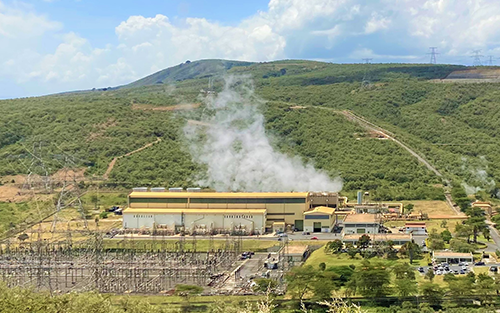
Yokogawa Electric Corporation announces that it has completed the installation of an IoT system for the Kenya Electricity Generating Company PLC (KenGen) that utilizes mobile communications and other technologies to perform integrated remote performance management at geothermal power stations I Additional Unit (AU), II, IV, and V of the Olkaria geothermal complex. The project was carried out under an agreement with the United Nations Industrial Development Organization (UNIDO) *1 that was finalized in January 2020, utilizing funding provided by the Ministry of Economy, Trade, and Industry to UNIDO.

In Kenya, electricity consumption in 2021 tripled compared to the year 2000*2 in line with population growth and economic development, signaling a pressing need to secure a stable supply of energy. The country’s thermal power plants rely to a considerable extent on imported fuel oil, and renewable energy sources such as hydropower and solar power are affected by changing climatic conditions. The Kenya Republic has one of the world’s largest geothermal resources, so the Government of Kenya has turned attention to the use of geothermal power, which in addition to being a highly stable source of power also has the advantage of low CO2 emissions. Since 2000, Kenya has steadily increased capacity*2, and as of 2021 geothermal energy is the top source of energy in Kenya, accounting for over 40% of the country’s generation capacity*3.

At the Olkaria geothermal complex*4, the largest in Africa, KenGen currently operates geothermal power stations I, I AU, II, IV, and V. Station IV is the farthest from the complex’s administrative office, some 20 km away by road. Before the installation of Yokogawa’s IoT system, these geographically distributed power plants were all managed separately, and it was a challenge to take a comprehensive approach to manage their operations.
 
In line with the UNIDO requirements, Yokogawa developed and deployed an IoT system that allows data from stations I AU, II, IV, and V to be accessed from the complex’s administrative office, enabling the integrated remote performance management of power generation performance at these facilities. The system makes use of the company’s Exapilot operation efficiency improvement package and Exaquantum plant information management system. Yokogawa also provided training in the operation of this system to KenGen’s personnel. The IoT system makes it possible to centrally manage the performance of the power generation units at each power station, aids in determining the causes of detected problems, and provides information on the maintenance status of related equipment. Integrated remote monitoring, automated root-cause analysis, and centralized history management, this ensure maintenance can be performed in a timely fashion, thereby maximizing power generation efficiency, and ensuring a stable supply of power. Altogether they have a capacity of about 575MW.
 
Through digital transformation (DX) and other means, Yokogawa is committed to doing its part to achieve environmental sustainability by providing its customers the support they need to optimize operations and ensure safety across entire supply chains, including the production, supply, and use of diverse energy sources such as geothermal power and other forms of renewable energy.
 
Naoki Torii, the UNIDO Project Manager responsible for the project, said, “The successful completion of the project was possible with close cooperation among the project partners as well as the insights given by the donor, the Ministry of Economy, Trade and Industry of Japan. We trust the positive impact of the project will sustain and further be disseminated across the country and the region. The project showcased a way of applying advanced technological solutions to multipronged development issues we face in particular, addressing climate change by enhancing the energy systems while reducing carbon intensity and contributing for inclusive, sustainable industrial development.”
 
KenGen Managing Director and CEO Rebecca Miano, said, “The IOT project system will enhance centralized data acquisition, storage, and provide analytics that will be used to make key business decisions and optimize plant availability.”
 
Koji Nakaoka, vice president and head of the Energy & Sustainability Business Headquarters and the Global Sales Headquarters at Yokogawa, said, “With our long-term business framework we aim to provide value based on the system of systems (SoS) concept. This is a system made up of independent operation and management systems that work together to achieve objectives that cannot be achieved by any one system acting on its own. By integrating information scattered across plants, DX enables overall optimization. If one has an accurate grasp of how much power is being generated at geothermal plants, electricity generated by other means can be properly managed. Through projects such as this one, our company will continue to contribute to environmental sustainability.”
 
*1 UNIDO is the specialized agency of the United Nations that promotes industrial development for poverty reduction, inclusive globalization, and environmental sustainability. https://www.unido.org/ 
*2 Global Data, Kenya Power Market Outlook, November 2021
*3 Kenya National Bureau of Statistics Economic Survey, 2022
*4 The Olkaria geothermal complex consists of stations I, I Additional Unit, II, III, IV, and V. The total capacity of the power plants currently in operation is about 930 MW. The oldest station, I, started operation in 1981.

 About Yokogawa

Yokogawa provides advanced solutions in the areas of measurement, control, and information to customers across a broad range of industries, including energy, chemicals, materials, pharmaceuticals, and food. Yokogawa addresses customer issues regarding the optimization of production, assets, and the supply chain with the effective application of digital technologies, enabling the transition to autonomous operations. Founded in Tokyo in 1915, Yokogawa continues to work toward a sustainable society through its 17,000+ employees in a global network of 122 companies spanning 61 countries.

(Courtesy of ISA)

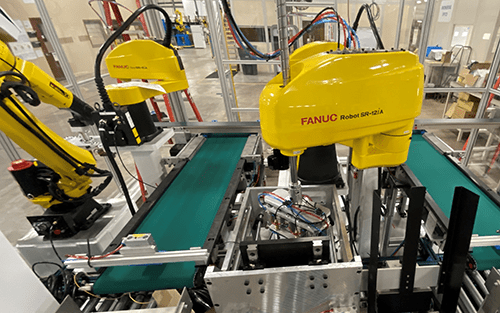
Robot Sales Hit Record High in North America for Third-Straight Quarter

Robot Sales Hit Record High in North America for Third-Straight Quarter

Aug. 29, 2022 – For the third-straight quarter, robot sales in North America hit a record high, driven by a resurgence in sales to automotive companies and an ongoing need to manage increasing demand to automate logistics for e-commerce. According to the Association for Advancing Automation, of the 12,305 robots sold in Q2 2022, 59% of the orders came from the automotive industry with the remaining orders from non-automotive companies largely in the food & consumer goods industry, which saw a 13% increase in unit orders over the same period, April through June, in 2021.   

According to A3, 59%25 of the orders in Q2 2022 came from the automotive industry with the remaining orders from non-automotive companies largely in the food & consumer goods industry.

“While automotive entities have long been the frontrunner in deploying robotics and automation, the last few years have seen food & consumer goods, life sciences, and other industries grow at even higher rates,” said A3 President Jeff Burnstein. “While this quarter shows a marked shift back to historic norms with more robots going to automotive than to any other industry, the continued growth of robotics in food & consumer goods companies especially demonstrates the ongoing need to automate warehouse logistics for handling the exploding growth of e-commerce. We’re excited to share the latest on robots in the logistics space at our upcoming Autonomous Mobile Robots & Logistics Week in Boston in October.” 

The 12,305 units sold in Q2 2022 is 25% more than sold in the same period in 2021 and 6% more than sold in the first quarter of 2022, which saw 11,595 robots sold. The Q2 2022 value of $585 million is the second-best quarter ever for revenue, down 9% from the previous record quarter—Q1 2022, which saw $646 million in revenue. When combined with 2022’s first quarter results, the previous record, the North American robotics market is off to its best start ever, with 23,903 robots ordered at a value of $1.249 billion. The market grew 26% and 29% for units ordered and revenue, respectively, over 2021.

A record fourth quarter in 2021 resulted in the strongest year ever for North American robot sales, with 39,708 units sold at a value of $2 billion, and 2022 is on pace for another record year. Alex Shikany, Vice President – Membership & Business Intelligence, A3,  will discuss the end-of-year numbers in detail at the next A3 Business Forum in January.

“The larger trend towards robots being used to benefit more companies in North America continues,” Burnstein added. “This makes it critical to educate system integrators and users now about how to deploy robots while keeping workers safe. Our International Safety Robotics Conference (ISRC) will specifically address the most up-to-date safety standards, providing the best practices and use cases that will help all companies safely succeed with automation.”

Register for A3’s Educational Conference now

In addition to ISRC, scheduled for Sept. 27-29 in Columbus, Ohio, A3 will hold the Artificial Intelligence & Smart Automation Conference, a one-day event to help those interested start their journey to unlock the power of AI, with discussions on data strategy, advances in AI robotics and machine vision, and AI-powered optimization and prediction. The conference will take place Sept. 29, also in Columbus.

AMR & Logistics Week, scheduled for Oct. 10-13 in Boston, will be co-located with The Vision Show, designed to provide the right solution providers, the right technology, and the right expertise to implement vision and imaging systems.

A3’s Business Forum, January 16-18, 2023, in Orlando, Florida, an annual networking event for robotics, vision & imaging, motion control & motors, and artificial intelligence industry professionals, will be followed by The Automate Show (May 22-25, 2023, in Detroit), the largest and most inspiring showcase of automation in North America.

About Association for Advancing Automation (A3)

The Association for Advancing Automation (A3) is the leading global advocate for the benefits of automating. A3 promotes automation technologies and ideas that transform the way business is done. Members of A3 represent nearly 1,100 automation manufacturers, component suppliers, system integrators, end users, academic institutions, research groups, and consulting firms that drive automation forward worldwide.

A3 hosts a number of industry-leading events, including the International Robotics Safety Conference (Sept. 27-29, in Columbus), the AI & Smart Automation Conference (Sept. 29, also in Columbus), Autonomous Mobile Robots & Logistics Week (Oct. 10-13, in Boston), The Vision Show (Oct. 11-13, also in Boston), A3 Business Forum (Jan. 16-18, 2023, in Orlando) and the Automate Show (May 22-25, 2023, in Detroit)

(Courtesy of ISA)

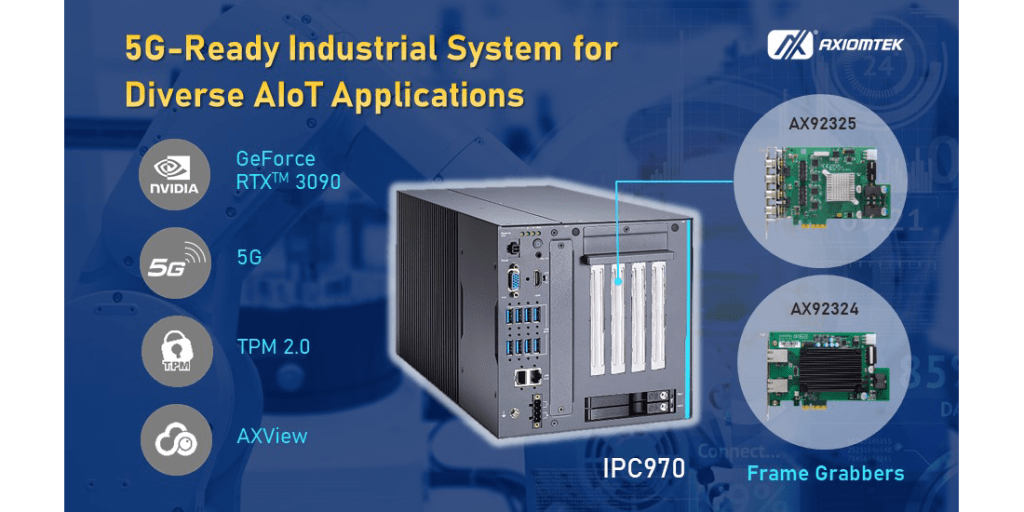
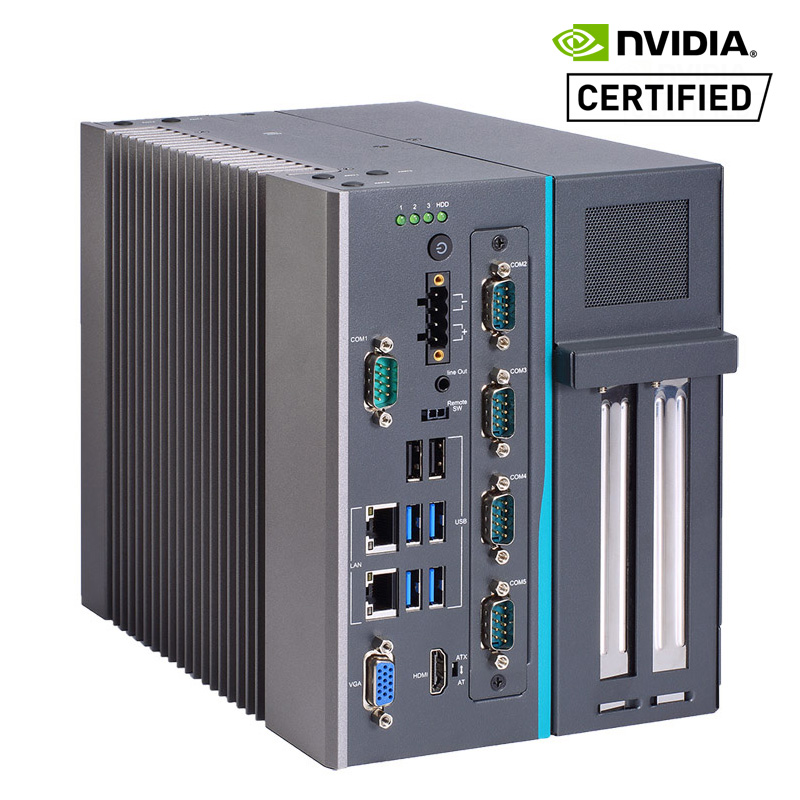
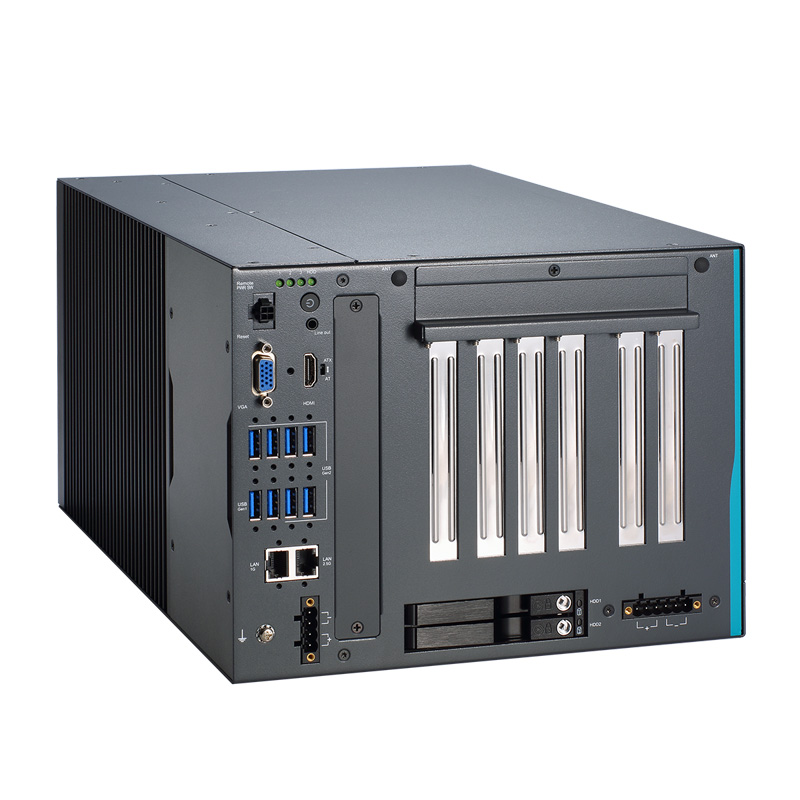
5G-Ready Industrial Systems for Diverse AIoT Applications

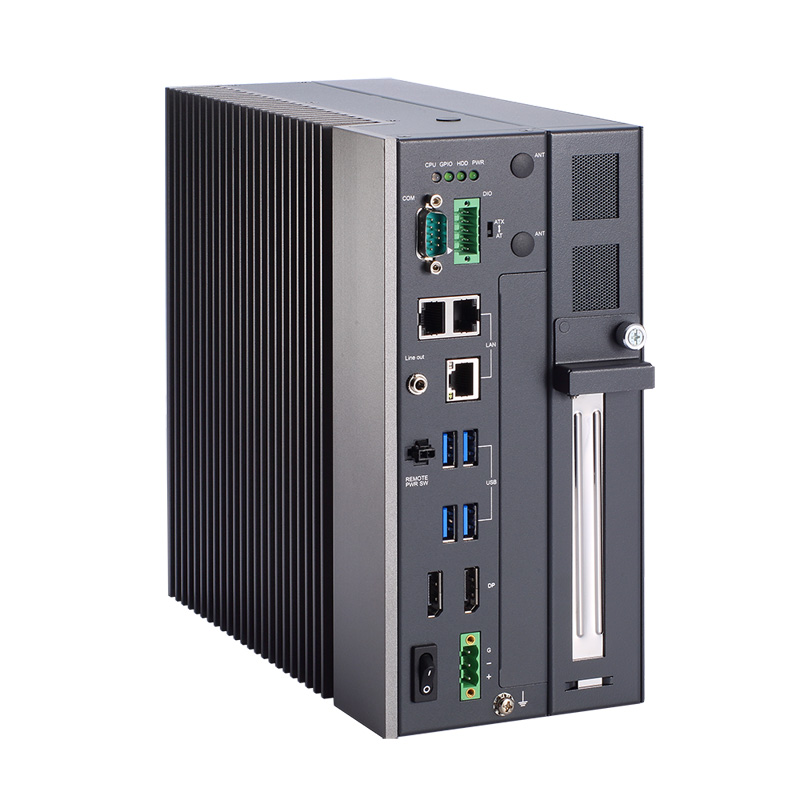
IPC970 – Advanced Intel® Atom® AI System

Advanced Features:

  • Intel® Xeon® and 10th Gen Intel® Core™ i7/i5/i3 processors, up to 80W (codename: Comet Lake S)
  • Intel® W480E chipset
  • Supports 4 flexible expansion slots
  • Supports NVIDIA® GeForce RTX™ 3090 Graphics Card
  • Supports M.2 Key B slot for 5G wireless connection and M.2 Key E slot for Wi-Fi connection
  • Supports RAID 0,1
  • Supports TPM 2.0

Customization-Ready Solutions

Our purpose-built products are made for seamless integration into industrial devices. They include a comprehensive line of embedded motherboardstouch panel computersAI-ready edge serversindustrial PC systems, and feature-rich vision systems. They have been selected for integration into a wide variety of intelligent edge AIoT devices including an autonomous mobile robot (AMR), obstacle detection, machine vision, security surveillance, and more. These high-quality industrial products offer rich features such as:

  • Scalable and customizable processing powers to run a wide range of applications
  • Robust systems and motherboards with rich I/Os and expansion capabilities
  • Flexible communication options
  • High interoperability with peripherals and software

Edge Computing Solutions for AI Applications

IPC950
Industrial Solution For Smart ApplicationsIntel® 11th Gen Core® i7 or Celeron® 6305E Processor Built-in Axiomtek AI Suite (AIS) with Intel Edge InsightSupports real-time device monitoring and TPM 2.0Feature-rich with customizable and flexible design
IPC962-525
High-Performance 2-Slot Industrial SystemLGA1151 socket 9th/8th gen Intel Core™ ProcessorValidated as NVIDIA-certified edge computer supports NVIDIA® A2 GPU up to 125W1 M.2 Key B slot for 5G wireless connection
IPC972
Versatile Intel Xeon® AI SystemLGA1200 Intel® Xeon® or 10th gen Core™ ProcessorSupports dual NVIDIA® GeForce RTX 3090 GPU cards feature-rich front access I/Os with PCIE slots4 x DDR4-2933 MT/s ECC/non ECC up to 128GB
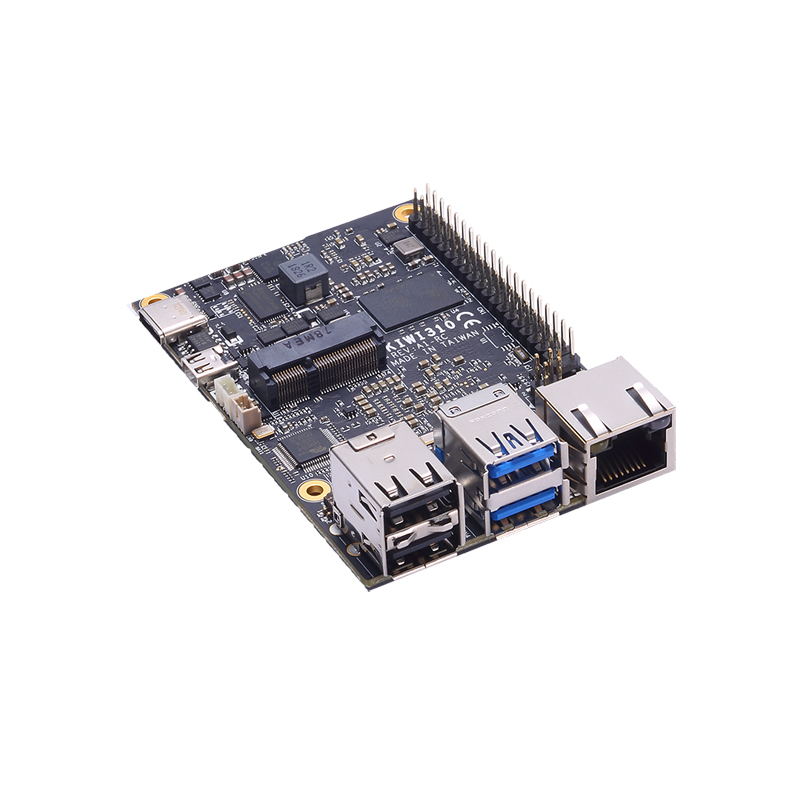
KIWI310
Powerful Credit Card Sized SBCIntel® Celeron® Processor N3350On-board LPDDR4 for up to 4GB of Memory and 1 GbE LANOn-Board eMMC for up to 64GB, M.2 Key E and 40-Pin GPIO1.8″ embedded SBC with 0°C to +60°C Operating Temperature

(Courtesy of Aximotek)


OPC Protocol Conversion Solutions by Software Tolbox Inc.

The OPC standards are very successful in helping users integrate different systems, but over their long history, there are different types and versions of the standards, and not all automation systems have the same standards in use. With that comes the need for tools to help you integrate between the standards such as DA, UA, A&E, and A&C but also non-OPC standards such as MQTT, databases, historians, Modbus, and more. 

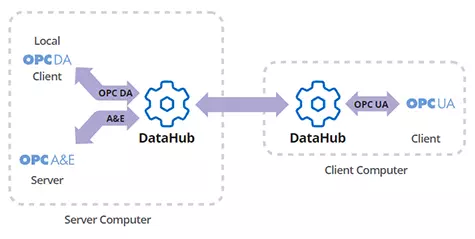
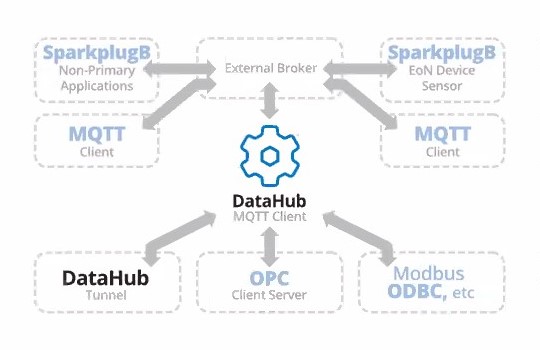
DataHub is a solution that bridges these standards with rapid setup convertors, but can even move data between systems using the different standards using its bridging functionality. 

Here are some examples and links where you can learn more. Ready to try? Complete the form at the right. System requirements are at the bottom of this page. 

OPC DA/UA and UA/DA Conversion

The original OPC Data Access or DA standard is everywhere but newer systems use OPC Unified Architecture or UA standards. With Microsoft’s security hardening of DCOM, used when using OPC DA over a network, more systems need to move to OPC UA. DataHub’s OPC Gateway solution makes that move easy and cost-effective for DA and UA client/server solutions. DataHub OPC Gateway Licenses are only $1250.40 and free video tutorials are available for DA to UA and UA to DA conversion.

OPC-Gateway-450w

OPC Alarms & Events to OPC UA Alarms & Conditions Conversion

Like OPC DA, the OPC Alarms & Events (A&E) specification has been around for a long time and is found in many systems, especially DCS’s.  As alarm management client applications move to OPC UA Alarms & Conditions (A&C), the need for interoperability is clear. For example, the Emerson PlantWeb application expects to receive alarm data via OPC UA A&C.  DataHub has that conversion covered.

See how in our video tutorial and then give it a try yourself

DataHub-AE-Protocol-Conversion-475w

OPC Alarms & Events to OPC DA Conversion

What if your HMI, SCADA, Historian, or other application doesn’t support OPC A&E or OPC UA A&C yet you need to get that alarm information in?  As long as your system is an OPC DA or UA client, the DataHub can automatically split out the tags in the alarm structures into individual tags that you can then read or subscribe to using OPC DA or UA as single tags.  Learn how in our free video tutorial and then give it a try.

Datahub-AE-to-DA-Video-Thumbnail

OPC to MQTT and MQTT to OPC

DataHub provides smart MQTT client & MQTT broker functionality with SparkplugB support (V10+) that is tightly and automatically integrated with OPC interfaces (DA, UA, A&E, A&C) so that once you bring data into DataHub, from any source, it can be used with MQTT.  DataHub is the only industrial broker that automatically converts from OPC UA or OPC DA to MQTT and vice-versa without configuring multiple applications.

Datahub-MQTT-Client

Access our free virtual training course on how to convert OPC to MQTT and MQTT to OPC and then try it yourself

Database to OPC or OPC to Database + Historians

Need to read data from a database and expose it via OPC standards? Or source OPC data and log it to databases or even historians?  DataHub has you covered either way beyond the basic needs though. With DataHub store-and-forward you can be sure data gets through on intermittent connections.  With DataHub secure tunneling, you can move data between IT/OT securely including via DMZ’s or proxy servers to get it to where it needs to be.   Learn more about DataHub Database or DataHub Historian Integration.

Modbus to OPC 

Modbus is everywhere, and DataHub is a cost-effective Modbus TCP OPC DA & OPC UA server application at only $1038 for a single machine license that gives you much more than just an OPC server that is a client to Modbus TCP devices.

Once you have Modbus data in DataHub you can use any of DataHub’s extensive other features such as bridging, tunneling, logging, and more.  Learn more then give it a try

DataHub-Modbus-OPC-DA-UA-Server

The DataHub free trial version is:

System Requirements

  • For use with Windows 7, 8.1, 10, 11, Server 2008, 2008 R2, 2012, 2012 R2, Server 2016, Server 2019, Server 2022
  • The 32-bit version is provided by default, the 64-bit version is available by request.

(Courtesy: Softwaretoolbox)

Industrial Readiness and Maturity: Walking the Path of Digital Transformation

Ready for Industry 4.0? Evaluate people, processes, and then technology.

Academic research expresses readiness as the state of being psychologically and behaviorally prepared. By extension, smart manufacturing industry readiness is how businesses can leverage Industry 4.0 technologies and be psychologically and behaviorally prepared as an organization. 

Although different organizations may be similar by having products in a vertical industry, each is unique with its own culture, size, management team, and other traits. Moreover, each organization will have a unique ability to adapt Industry 4.0 principles and practices. Specialized companies now provide a level of uniformity and guidance, but also customizable features, to aid organizations in what has become known as the “digital transformation” toward the adoption of Industry 4.0, with a goal of organizational transformation in efficiencies and effectiveness.

Industry 4.0 readiness models are mostly designed with two unique angles, one of finding practice applicability and the other of finding users for the respective readiness definitions. Recent studies of literature related to small to medium-sized enterprises (SMEs) found they have some weaknesses and gaps in the maturity models identified. The areas identified showed that the models are technology focused and, therefore, can overlook management or cultural dimensions. They also may not consider company size, vertical industry, or the complexity of the product being made.

Several other models have been published by both industrial and academic organizations to help guide companies starting the digital journey and transforming their businesses to adopt Industry 4.0 technologies and practices. One of the studies summarized a company’s readiness into three high-level silos: smart process planning, infrastructure, and organization and human resources.

Why digital transformation is important now

Between the pandemic, the supply chain shortage, the workforce shortage, and the related skills gap, it is becoming increasingly essential for organizations to begin a digital transformation to stay competitive on the world stage. The digital transformation, part of which is the implementation of Industry 4.0 practices, encompasses the entire enterprise, including the upstream and downstream connections in the value chain. Because the transformation is all-encompassing, it requires commitment, organizational maturity, and a company with the physical, structural, and cultural resources to adopt digital technologies.

A company’s ability to implement new technologies takes a commitment from the entire enterprise. Without the support of the company’s management and ownership, consisting of financial and organizational commitment, the effort to implement any significant initiative is doomed to fail. The same is also true when implementing Industry 4.0, smart factory, and Industrial Internet of Things principles and practices. Recent studies have identified what management is looking for from the adoption of Industry 4.0. The top two motivations are expected increases in productivity and product quality; one of the top five goals is a return on investment.

Industry 4.0 readiness needs to be viewed from wall to wall within an organization. Because all the aspects of implementing a smart manufacturing program can be overwhelming, having an organized methodology and strategy to assist in planning is paramount to success. Adherence to such a plan can help keep the program aligned with industry best practices and prevent a company from going down a path that is not desired or that will not yield a positive outcome.

Models, maps, and other trends

Maturity and readiness models for industrial transformation existed as early as 2006, but most were published within the last three to four years. Most of the readiness models listed in the literature are academia based, with only 30 percent being industry-driven models.

One of the more prominent industry models was created by the Singapore Economic Development Board in conjunction with many leading technology companies and industry experts worldwide. The Smart Industry Readiness Index (SIRI) comprises a suite of frameworks and assessment tools meant to provide the initial, scaling, and sustaining guidance companies need for digital transformation.

Figure 1 depicts the 16 elements considered within a SIRI assessment. Like what is described in the academic research, the SIRI index is similarly based on the three pillars of process, technology, and organization, while also considering an organization’s current capabilities from infrastructure, technology, culture, and management perspectives.

Figure 1. The 16 points of the “Smart Industry Readiness Index (SIRI)” framework are considered in a SIRI assessment.
Figure 2. Stages of development, testing, and validation accomplished during workshops and case studies selected by a steering committee within the organization.
Figure 2. Stages of development, testing, and validation are accomplished during workshops and case studies selected by a steering committee within the organization.

The assessment and adoption processes are iterative within the SIRI, as well as within many other academic and industrial-driven assessments and frameworks. Companies need to anticipate an ongoing and evolving process, much like any continuous improvement or Lean initiative. Like any Deming-related cycle of plan-do-check-act, the assessment frameworks consider learning, evaluation, planning, and implementation stages. The assessment methodology associated with the German National Academy of Science and Engineering (acatech) Industrie 4.0 Maturity Index demonstrates a cycle of development and testing along the path of readiness and maturity discovery (figure 2).

Figure 3. Three-dimensional aspect of the RAMI model, which can help guide companies to deploy Industry 4.0 in an organized and structured way.
Figure 3. The three-dimensional aspect of the RAMI model can help guide companies to deploy Industry 4.0 in an organized and structured way.

A recent augmentation of the readiness infrastructure is the introduction and inclusion of a three-dimensional map named the Reference Architecture Model for Industrie 4.0 (RAMI 4.0), which depicts an industry 4.0 implementation that incorporates all aspects of a company (figure 3). This map integrates the life cycle value stream described in the IEC 62890 standard with the hierarchical levels described in the IEC 62264 and IEC 61512 standards.

In the RAMI 4.0 model, the hierarchy level axis accounts for the information technology and control systems. The life cycle value stream accounts for the life cycle of the organization’s products and manufacturing facilities, and the layers show the makeup of a machine into its component structures. 

How this topic supports a smart factory

The goal of the complete digital transformation and deployment of Industry 4.0 is an integrated smart factory. A smart factory exists when the organization has a sufficiently high level of integration to allow the production processes to be better organized and optimized to achieve a higher level of automatic sustainability. Connecting the production indicators with the results of a maturity index, such as what is accomplished with the acatech Industrie 4.0 Maturity Index, generates outcomes of assessment versus implementation, which can be cast with actual and definitive outcomes and figures.

Based on these fundamentals, it should be strongly noted that the digital transformation journey to Industry 4.0 readiness is not simply a technology application. Although many of the pillars of Industry 4.0 are technology-laden, a company’s maturity and readiness for implementation do not and cannot rest solely on the technology that will be applied. As depicted in the three high-level silos mentioned previously, it is the culmination of the organizational planning, the technology infrastructure, and the human resources both within the organization and throughout the entire value chain that comprise readiness and maturity.

The technology aspect is used to expose and collect the information that is then also used for analysis, which provides a means for understanding that information. The final results from the collected and evaluated data are then left as an element of how the organization will use the information and analysis.

Looking ahead

For a company considering an Industry 4.0 implementation that is willing to start the digital transformation, it is paramount to assess readiness and maturity. With the large undertaking and commitment that such a journey will require, assessing a company’s infrastructure, culture, and commitment is a needed first step.

Resources

The following resources and links will help anyone looking to make the first steps down the Industry 4.0 and digital transformation pathway.

Brian Romano is chair of ISA’s Industry Readiness and Maturity committee of the SMIIoT Division, which provides expertise and guidance on assessment methods for implementing smart manufacturing programs. Romano is the director of technology development at The Arthur G. Russell Co. and has been in the process and automation control systems industry for 40 years. After serving as president of an automated machine builder division, he owned a systems integration company. Romano is an industrial advisory board member for two technology and engineering universities, holds an AS, BS, MS, and MBA, and is working on his PhD in technology and innovation.