One of the simplest ways to measure the pH of a solution is by color. Certain specific chemicals dissolved in an aqueous solution will change color if the pH value of that solution falls within a certain range. Litmus paper is a common laboratory application of this principle, where a color-changing chemical substance infused on a paper strip changes color when dipped in the solution. Comparing the final color of the litmus paper to a reference chart yields an approximate pH value for the solution.
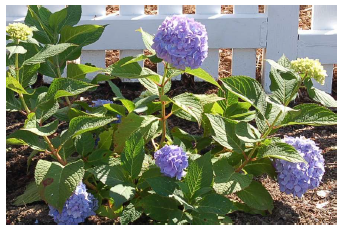
A natural example of this phenomenon is well-known to flower gardeners, who recognize that hydrangea blossoms change color with the pH value of the soil. In essence, these plants act as organic litmus indicators. This hydrangea plant indicates acidic soil by the violet color of its blossoms:
List of Prominent Suppliers: Drager, Honeywell, Instrumex, UNIPHOS, Sensidyne
 Instrumentation Basics