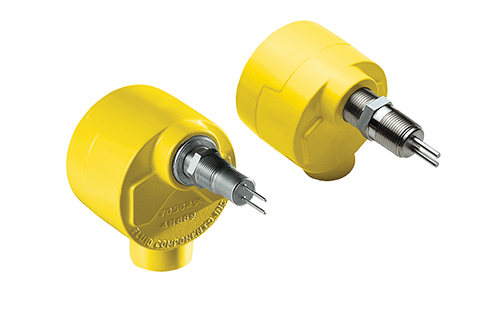
In high-temperature industrial environments, engineers responsible for optimizing the up-time and the safety of process flow networks will find the FLT93 Series Flow Switch from Fluid Components International (FCI) provides a reliable early warning alert to cooling tower pump dry-running conditions, which can lead to emergency shutdowns, service interruptions, pump failures, and unplanned costly maintenance.
For example, the high temperature, high-pressure distillation process environments encountered in crude oil refining process plants require the continuous cooling of the separation equipment with large cooling towers. These devices require the pumping of water-based coolant for air evaporative cooling or employ various coolant fluids designed to dissipate heat.
Large cooling towers draw hot air into the cooling tower and/or move air with large fans across and around equipment. Their water-based coolant is typically recycled and pumped multiple times and is treated with a variety of corrosion-inhibiting chemicals that protect both the cooling system and the equipment that is being cooled. In addition, to use in petrochemical plants, such cooling towers are also used in electric power generation plants and other industrial processes including the production of chemicals, food/beverage, and more.
Whatever type of active cooling tower system is in use at a plant, they all have several things in common. One of them, however, is essential for safety and throughput. Pumps are required to move the water and/or coolant fluid into the cooling tower. If a pump fails to move or replace the fluid in the cooling system or fails to recycle the fluid into the system, then equipment cooling is affected or disrupted. Similar to the way a leaky car radiator stops functioning, the driver (or in this case the plant control system or operator) sees the temperature gauge climbing fast: It’s time to pull over now and turn off the engine to avoid damage.
FCI’s dual alarm FLT93 Series Flow Switch reliably monitors the flow and temperature of liquids, gases, slurries, and more. It is ideal for pump wet/dry detection, where sudden, unexpected reductions in media flow rates can leave pumps vulnerable to over-heating conditions that shut down process lines and require troubleshooting, fixes, and more. This SIL2-rated instrument is designed for heavy-duty, potentially hazardous process industry environments and comes with a comprehensive list of global safety approvals.
With its no-moving parts design, the FLT93 Switch offers a highly robust scheme for pump protection with its dual alarm capability. With Alarm 1, the switch will detect a low flow situation anywhere between 0.01 and 3 feet per second FPS (0.003 to 0.9 meters per second MPS). This low flow alarm can be regarded as a pre-warning signal for the control system or operator. The system or operator can then decide to keep the pump running or shut it down.
Should an Alarm 2 occur because the feed line to the pump is running dry, this condition would be an emergency signal to shut down the pump immediately because the bearings now see gas instead of liquid as a heat transfer media. In such situations, the temperature of the bearings can rise very fast. Using a flow switch prevents permanent damage to the pump’s bearings that will require an overhaul of the pump before more damage occurs.
As a dual-function instrument that indicates both flow and temperature, and/or level sensing in a single device, the FLT93 Switch is a multipurpose component. Dual 6A relay outputs are standard and are assignable to flow, level or temperature. The FLT93 Switch can be specified in either insertion or inline styles for pipe or tube installation.
Ideal for rugged industrial applications, the FLT93 Switch is hydrostatically proof pressure tested to 3500 psig [240 bar (g)] at 70°F (21°C). De-rated with temperature, the maximum operation service recommended is 2350 psig [162 bar (g)] at 500°F (260°C). Higher ratings are available with special construction and test certification. Agency approvals include FM, FMc, ATEX, IECEx, SIL2, Inmetro, EAC/TR CU, CSA, CRN, and CE.
With superior dependability, FCI’s versatile FLT93 Switches are ideal for applications in many demanding process industries. They are also used extensively with or without SIL2 certification in a wide variety of applications in food/beverage, mining/milling, pulp/paper, pharmaceutical, water/wastewater treatment, and more.
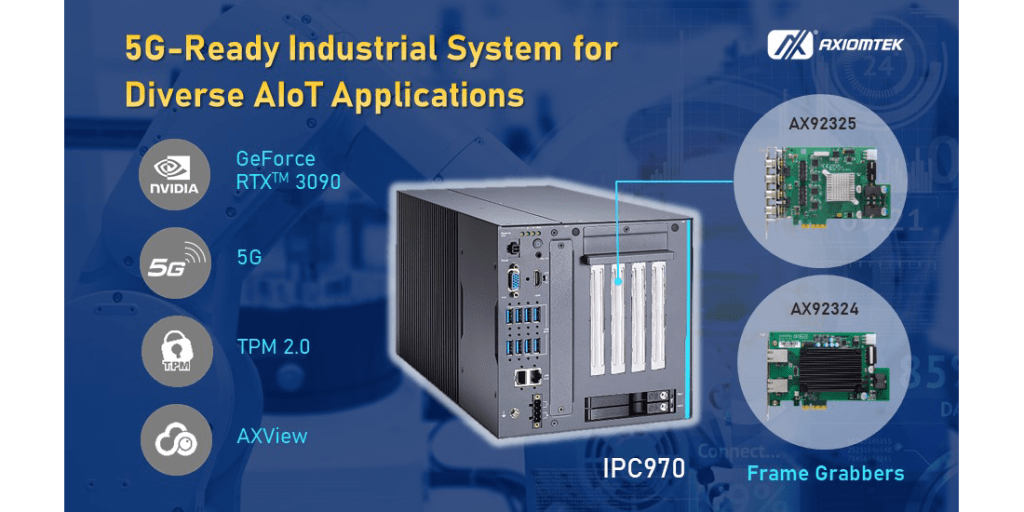
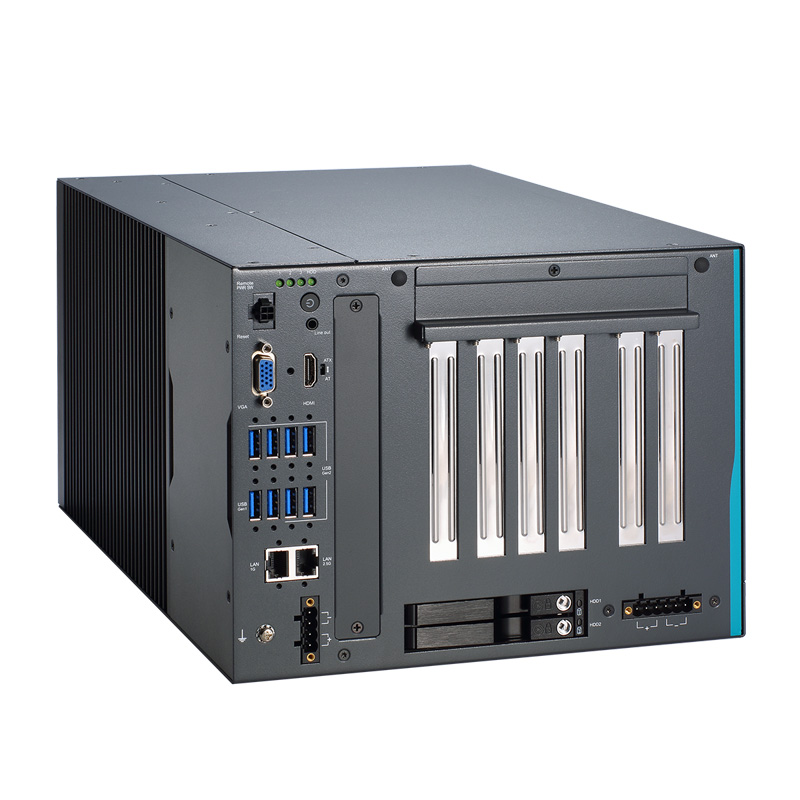
Intel® Xeon® and 10th Gen Intel® Core™ i7/i5/i3 processors, up to 80W (codename: Comet Lake S)
Intel® W480E chipset
Supports 4 flexible expansion slots
Supports NVIDIA® GeForce RTX™ 3090 Graphics Card
Supports M.2 Key B slot for 5G wireless connection and M.2 Key E slot for Wi-Fi connection
Supports RAID 0,1
Supports TPM 2.0
Customization-Ready Solutions
Our purpose-built products are made for seamless integration into industrial devices. They include a comprehensive line of embedded motherboards; touch panel computers; AI-ready edge servers, industrial PC systems, and feature-rich vision systems. They have been selected for integration into a wide variety of intelligent edge AIoT devices including an autonomous mobile robot (AMR), obstacle detection, machine vision, security surveillance, and more. These high-quality industrial products offer rich features such as:
Scalable and customizable processing powers to run a wide range of applications
Robust systems and motherboards with rich I/Os and expansion capabilities
Flexible communication options
High interoperability with peripherals and software
Edge Computing Solutions for AI Applications
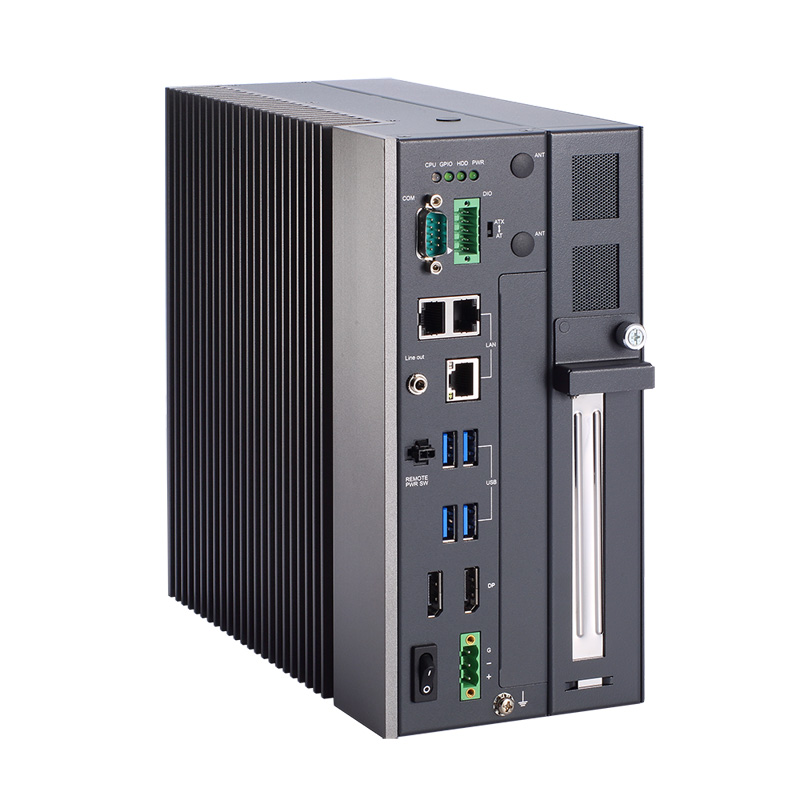
IPC950 Industrial Solution For Smart ApplicationsIntel® 11th Gen Core® i7 or Celeron® 6305E Processor Built-in Axiomtek AI Suite (AIS) with Intel Edge InsightSupports real-time device monitoring and TPM 2.0Feature-rich with customizable and flexible design
IPC962-525 High-Performance 2-Slot Industrial SystemLGA1151 socket 9th/8th gen Intel Core™ ProcessorValidated as NVIDIA-certified edge computer supports NVIDIA® A2 GPU up to 125W1 M.2 Key B slot for 5G wireless connection
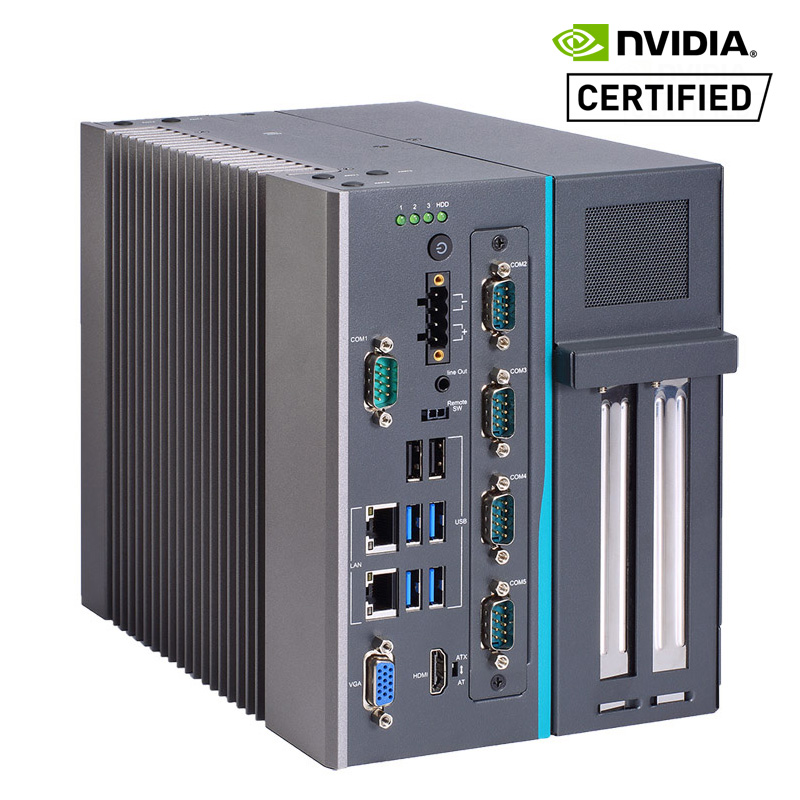
IPC972 Versatile Intel Xeon® AI SystemLGA1200 Intel® Xeon® or 10th gen Core™ ProcessorSupports dual NVIDIA® GeForce RTX 3090 GPU cards feature-rich front access I/Os with PCIE slots4 x DDR4-2933 MT/s ECC/non ECC up to 128GB
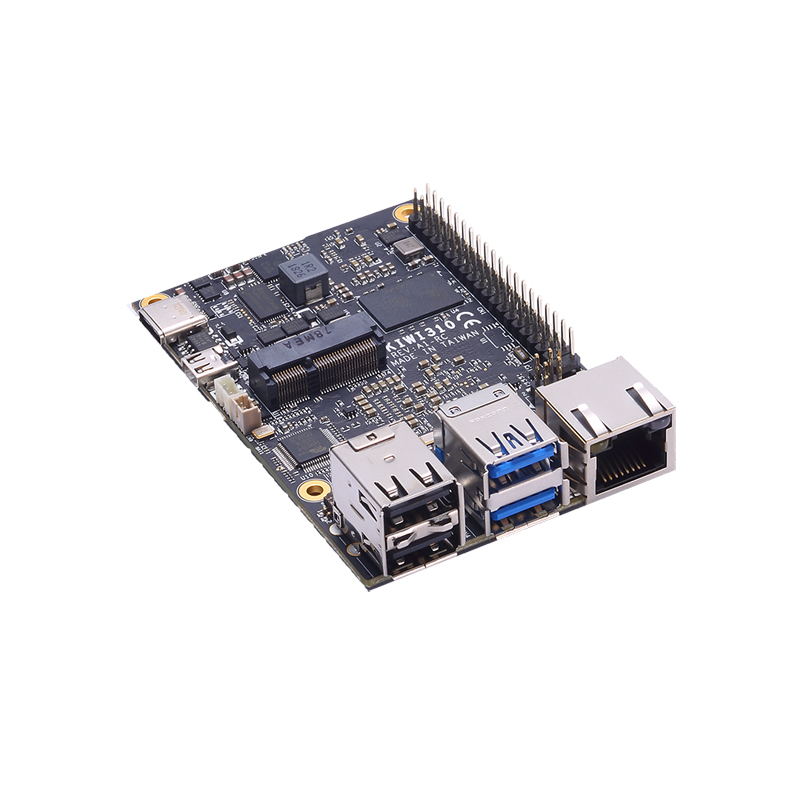
KIWI310 Powerful Credit Card Sized SBCIntel® Celeron® Processor N3350On-board LPDDR4 for up to 4GB of Memory and 1 GbE LANOn-Board eMMC for up to 64GB, M.2 Key E and 40-Pin GPIO1.8″ embedded SBC with 0°C to +60°C Operating Temperature
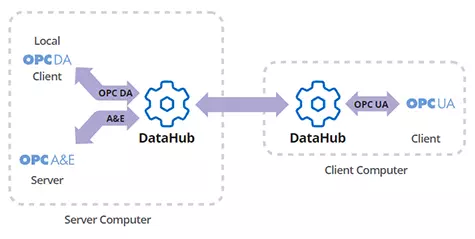
The OPC standards are very successful in helping users integrate different systems, but over their long history, there are different types and versions of the standards, and not all automation systems have the same standards in use. With that comes the need for tools to help you integrate between the standards such as DA, UA, A&E, and A&C but also non-OPC standards such as MQTT, databases, historians, Modbus, and more.
DataHub is a solution that bridges these standards with rapid setup convertors, but can even move data between systems using the different standards using its bridging functionality.
Here are some examples and links where you can learn more. Ready to try? Complete the form at the right. System requirements are at the bottom of this page.
OPC DA/UA and UA/DA Conversion
The original OPC Data Access or DA standard is everywhere but newer systems use OPC Unified Architecture or UA standards. With Microsoft’s security hardening of DCOM, used when using OPC DA over a network, more systems need to move to OPC UA. DataHub’s OPC Gateway solution makes that move easy and cost-effective for DA and UA client/server solutions. DataHub OPC Gateway Licenses are only $1250.40 and free video tutorials are available for DA to UA and UA to DA conversion.
OPC Alarms & Events to OPC UA Alarms & Conditions Conversion
Like OPC DA, the OPC Alarms & Events (A&E) specification has been around for a long time and is found in many systems, especially DCS’s. As alarm management client applications move to OPC UA Alarms & Conditions (A&C), the need for interoperability is clear. For example, the Emerson PlantWeb application expects to receive alarm data via OPC UA A&C. DataHub has that conversion covered.
What if your HMI, SCADA, Historian, or other application doesn’t support OPC A&E or OPC UA A&C yet you need to get that alarm information in? As long as your system is an OPC DA or UA client, the DataHub can automatically split out the tags in the alarm structures into individual tags that you can then read or subscribe to using OPC DA or UA as single tags. Learn how in our free video tutorial and then give it a try.
OPC to MQTT and MQTT to OPC
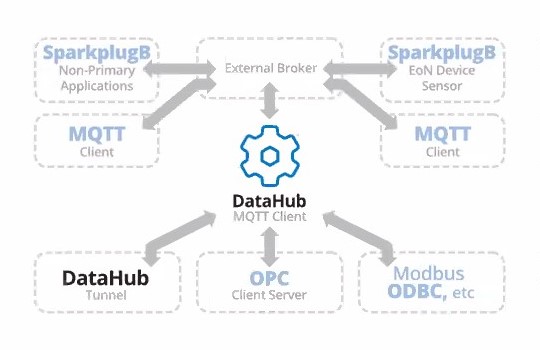
DataHub provides smart MQTT client & MQTT broker functionality with SparkplugB support (V10+) that is tightly and automatically integrated with OPC interfaces (DA, UA, A&E, A&C) so that once you bring data into DataHub, from any source, it can be used with MQTT. DataHub is the only industrial broker that automatically converts from OPC UA or OPC DA to MQTT and vice-versa without configuring multiple applications.
Need to read data from a database and expose it via OPC standards? Or source OPC data and log it to databases or even historians? DataHub has you covered either way beyond the basic needs though. With DataHub store-and-forward you can be sure data gets through on intermittent connections. With DataHub secure tunneling, you can move data between IT/OT securely including via DMZ’s or proxy servers to get it to where it needs to be. Learn more about DataHub Database or DataHub Historian Integration.
Modbus to OPC
Modbus is everywhere, and DataHub is a cost-effective Modbus TCP OPC DA & OPC UA server application at only $1038 for a single machine license that gives you much more than just an OPC server that is a client to Modbus TCP devices.
Ready for Industry 4.0? Evaluate people, processes, and then technology.
Academic research expresses readiness as the state of being psychologically and behaviorally prepared. By extension, smart manufacturing industry readiness is how businesses can leverage Industry 4.0 technologies and be psychologically and behaviorally prepared as an organization.
Although different organizations may be similar by having products in a vertical industry, each is unique with its own culture, size, management team, and other traits. Moreover, each organization will have a unique ability to adapt Industry 4.0 principles and practices. Specialized companies now provide a level of uniformity and guidance, but also customizable features, to aid organizations in what has become known as the “digital transformation” toward the adoption of Industry 4.0, with a goal of organizational transformation in efficiencies and effectiveness.
Industry 4.0 readiness models are mostly designed with two unique angles, one of finding practice applicability and the other of finding users for the respective readiness definitions. Recent studies of literature related to small to medium-sized enterprises (SMEs) found they have some weaknesses and gaps in the maturity models identified. The areas identified showed that the models are technology focused and, therefore, can overlook management or cultural dimensions. They also may not consider company size, vertical industry, or the complexity of the product being made.
Several other models have been published by both industrial and academic organizations to help guide companies starting the digital journey and transforming their businesses to adopt Industry 4.0 technologies and practices. One of the studies summarized a company’s readiness into three high-level silos: smart process planning, infrastructure, and organization and human resources.
Why digital transformation is important now
Between the pandemic, the supply chain shortage, the workforce shortage, and the related skills gap, it is becoming increasingly essential for organizations to begin a digital transformation to stay competitive on the world stage. The digital transformation, part of which is the implementation of Industry 4.0 practices, encompasses the entire enterprise, including the upstream and downstream connections in the value chain. Because the transformation is all-encompassing, it requires commitment, organizational maturity, and a company with the physical, structural, and cultural resources to adopt digital technologies.
A company’s ability to implement new technologies takes a commitment from the entire enterprise. Without the support of the company’s management and ownership, consisting of financial and organizational commitment, the effort to implement any significant initiative is doomed to fail. The same is also true when implementing Industry 4.0, smart factory, and Industrial Internet of Things principles and practices. Recent studies have identified what management is looking for from the adoption of Industry 4.0. The top two motivations are expected increases in productivity and product quality; one of the top five goals is a return on investment.
Industry 4.0 readiness needs to be viewed from wall to wall within an organization. Because all the aspects of implementing a smart manufacturing program can be overwhelming, having an organized methodology and strategy to assist in planning is paramount to success. Adherence to such a plan can help keep the program aligned with industry best practices and prevent a company from going down a path that is not desired or that will not yield a positive outcome.
Models, maps, and other trends
Maturity and readiness models for industrial transformation existed as early as 2006, but most were published within the last three to four years. Most of the readiness models listed in the literature are academia based, with only 30 percent being industry-driven models.
One of the more prominent industry models was created by the Singapore Economic Development Board in conjunction with many leading technology companies and industry experts worldwide. The Smart Industry Readiness Index (SIRI) comprises a suite of frameworks and assessment tools meant to provide the initial, scaling, and sustaining guidance companies need for digital transformation.
Figure 1 depicts the 16 elements considered within a SIRI assessment. Like what is described in the academic research, the SIRI index is similarly based on the three pillars of process, technology, and organization, while also considering an organization’s current capabilities from infrastructure, technology, culture, and management perspectives.
Figure 1. The 16 points of the “Smart Industry Readiness Index (SIRI)” framework are considered in a SIRI assessment.
Figure 2. Stages of development, testing, and validation are accomplished during workshops and case studies selected by a steering committee within the organization.
The assessment and adoption processes are iterative within the SIRI, as well as within many other academic and industrial-driven assessments and frameworks. Companies need to anticipate an ongoing and evolving process, much like any continuous improvement or Lean initiative. Like any Deming-related cycle of plan-do-check-act, the assessment frameworks consider learning, evaluation, planning, and implementation stages. The assessment methodology associated with the German National Academy of Science and Engineering (acatech) Industrie 4.0 Maturity Index demonstrates a cycle of development and testing along the path of readiness and maturity discovery (figure 2).
Figure 3. The three-dimensional aspect of the RAMI model can help guide companies to deploy Industry 4.0 in an organized and structured way.
A recent augmentation of the readiness infrastructure is the introduction and inclusion of a three-dimensional map named the Reference Architecture Model for Industrie 4.0 (RAMI 4.0), which depicts an industry 4.0 implementation that incorporates all aspects of a company (figure 3). This map integrates the life cycle value stream described in the IEC 62890 standard with the hierarchical levels described in the IEC 62264 and IEC 61512 standards.
In the RAMI 4.0 model, the hierarchy level axis accounts for the information technology and control systems. The life cycle value stream accounts for the life cycle of the organization’s products and manufacturing facilities, and the layers show the makeup of a machine into its component structures.
How this topic supports a smart factory
The goal of the complete digital transformation and deployment of Industry 4.0 is an integrated smart factory. A smart factory exists when the organization has a sufficiently high level of integration to allow the production processes to be better organized and optimized to achieve a higher level of automatic sustainability. Connecting the production indicators with the results of a maturity index, such as what is accomplished with the acatech Industrie 4.0 Maturity Index, generates outcomes of assessment versus implementation, which can be cast with actual and definitive outcomes and figures.
Based on these fundamentals, it should be strongly noted that the digital transformation journey to Industry 4.0 readiness is not simply a technology application. Although many of the pillars of Industry 4.0 are technology-laden, a company’s maturity and readiness for implementation do not and cannot rest solely on the technology that will be applied. As depicted in the three high-level silos mentioned previously, it is the culmination of the organizational planning, the technology infrastructure, and the human resources both within the organization and throughout the entire value chain that comprise readiness and maturity.
The technology aspect is used to expose and collect the information that is then also used for analysis, which provides a means for understanding that information. The final results from the collected and evaluated data are then left as an element of how the organization will use the information and analysis.
Looking ahead
For a company considering an Industry 4.0 implementation that is willing to start the digital transformation, it is paramount to assess readiness and maturity. With the large undertaking and commitment that such a journey will require, assessing a company’s infrastructure, culture, and commitment is a needed first step.
Resources
The following resources and links will help anyone looking to make the first steps down the Industry 4.0 and digital transformation pathway.
Brian Romano is chair of ISA’s Industry Readiness and Maturity committee of the SMIIoT Division, which provides expertise and guidance on assessment methods for implementing smart manufacturing programs. Romano is the director of technology development at The Arthur G. Russell Co. and has been in the process and automation control systems industry for 40 years. After serving as president of an automated machine builder division, he owned a systems integration company. Romano is an industrial advisory board member for two technology and engineering universities, holds an AS, BS, MS, and MBA, and is working on his PhD in technology and innovation.
Digital models, digital shadows, and digital twins help transform and optimize industrial and business operations.
Digital twins are currently being used in several industries and organizations to design and operate complex products and processes. This technology adoption is massively accelerating process development and optimizing operations, and its success comes from enabling enhanced decision-making. In terms of business outcomes, the main results companies pursue through digital twins are increased efficiency, reduced costs, better product design, and boosted innovation.
Before we get to the applications, let’s look at some definitions. The International Organization for Standardization (ISO) has developed a digital twin framework for manufacturing where the concept of digital twins is defined as: “A fit-for-purpose digital representation of an observable manufacturing element with a means to enable convergence between the element and its digital representation at an appropriate rate of synchronization.”
This means that a digital twin is a virtual replica of a physical component, product, system, or process within a manufacturing setting. Its function is to reflect the state or performance of the physical object in real-time—not to enable further capabilities, such as simulation, orchestration, or prediction—and ultimately support operational decision-making.
The digital twin concept comprises three main elements: the physical product, the digital product, and data connecting the two. Depending on the level of data integration, digital twins can be categorized into three subcategories (figure 1):
A digital model is a digital representation of a physical object without any automated data exchange between the physical object and the digital object. This means that a change in the physical object is not reflected automatically into the digital object and vice versa.
A digital shadow is a digital representation where an automated one-way data exchange exists, which means that a change in the physical object is reflected automatically into the digital object, but not vice versa.
A digital twin is a digital representation where data is fully integrated and flows automatically in both directions between the physical object and the digital object.
Figure 1. Each type of digital twin involves a different relationship between the physical and digital worlds, and different data flows. Source: Jeff Winter
A digital twin should not be thought of as a technology but as a composition of different technologies that develop a way of linking the physical and digital worlds. Digital twins can span the entire product lifecycle, from design through simulation, manufacturing, assembly, service, and support.
Because digital twins are designed to model complex assets or processes that interact with several components, environments, and unpredictable variables, manufacturers need to have a range of capabilities already in place to deploy them. These include computer-aided design modeling, connectivity, cloud computing, the Industrial Internet of Things (IIoT), a variety of different software platforms, augmented reality (AR) and virtual reality (VR) hardware, artificial intelligence (AI), and machine learning (ML), and systems integration.
The challenges associated with digital twin development include data growth, cybersecurity, the extent of digital skills required, and change management. Despite the challenges, the digital twin is quickly becoming a relevant technology, and manufacturers should start thinking of piloting new projects.
Why digital twins are important now
During the past decade, digital twin capabilities have been evolving rapidly because of a series of technology enablers and drivers:
Access to larger volumes of data and machine learning makes it possible to create more detailed simulations with enhanced depth and usefulness of insights.
Better asset monitoring technologies and new sources of data enable continuous real-time simulations.
Enhanced industry standards for communications between sensors and operational hardware and diverse platforms have improved interoperability.
Better data visualization technology (e.g., 3D, VR, AR, AI-enabled visualizations) can handle greater volumes of data.
Instrumentation is becoming smaller, more accurate, more powerful, and cheaper.
Compute power, network, and storage are becoming more powerful and cheaper.
It is worth mentioning that a few other key enabling technologies are becoming cost-effective and are being adopted: AI, ML, IoT, high-performance computing, cloud computing, and more are what allow digital twins to be so powerful today as opposed to five years ago. Technology companies are significantly investing in improving these digital enablers. Some of these investments are supporting the development of specific digital twin use cases.
Technology vendors have been shifting their attention to developing strong digital twin offerings. In the past few years, several—including IBM, Oracle, SAP, Microsoft, Amazon AWS, Rockwell, Siemens, and GE—have developed and launched digital twin offerings. Some also have made acquisitions to strengthen and build advanced digital twin capabilities.
Digital twin trends and smart factories
Digital twins are being used alongside other Industry 4.0 and smart factory applications in a variety of industries. A growing number of organizations in asset-heavy industries, such as aerospace, automotive, industrial products, and oil and gas, are implementing digital twins to transform their operations. Nonheavy and nonmanufacturing industries in sectors such as consumer goods, retail operations, facility management, health care, and smart cities also are piloting and starting to adopt digital twins.
Other companies are increasing the scale of digital twin deployment because it provides real business value: It helps companies transform and future-proof their businesses to deal with uncertainties and stringent competition. According to Deloitte, digital twin technology can deliver specific business value in the following areas:
improve quality of products and processes and help predict and detect quality defects quicker
improve customer service by enabling a better understanding of equipment and determining warranty costs and claim issues more accurately
reduce operating costs by improving product design, equipment performance, and by streamlining operations, and reducing process variability
create record retention of serialized parts and raw materials to support tracking and quality investigation
reduce time to market and cost to produce a new product by reducing lead times of components and optimizing supply chain performance
create new revenue growth opportunities by helping to identify new products and improving efficiency and cost to service.
To help understand where digital twins can be used within a smart factory, a framework created by IoT Analytics breaks down the cases and capabilities, using three dominant dimensions: the hierarchical level of a digital twin (six levels), the lifecycle phase in which the digital twin is applied (six levels), and the use or capability of the digital twin (seven levels). An additional fourth dimension can be added that specifies the data type used by the digital twin; this can be real-time, historical, or test data (figure 2). Therefore, according to this framework, there are at least 250 combinations or types of digital twins (6×6×7=252).
Figure 2. Digital twin classification framework. Source: IoT Analytics research
One of the best examples of how to implement digital twins in manufacturing to support smart factory initiatives is Unilever. In 2019, Gartner named the consumer goods giant one of the industry’s best-performing supply chain leaders.
Unilever implemented digital twins of its manufacturing production line process to increase productivity, reduce waste, and make better operational decisions. Its digital twins are a type described by the IoT Analytics framework as process × operate × orchestrate.
According to a 2019 article in the Wall Street Journal, devices send real-time information on physical variables, such as temperatures and motor speeds, into the cloud. Advanced analytics process this data and simulate conditions to ultimately map out the best operational conditions to control and adjust the production process. This results in better quality and productivity. Unilever worked with Microsoft to implement digital twins in dozens of its 300 global plants, and each twin reportedly was implemented in three or four weeks.
Another interesting example is digital twins in the field of maintenance prediction. Using the digital twin, a company can develop predictive maintenance strategies based on the digital replica of a machine or group of machines.
With this technology, maintenance specialists can simulate future operations of the machine, create failure profiles, calculate the remaining useful life of the machine, and plan maintenance activities based on the simulation results. All of this happens without the machine being stopped. The digital twin collects machine data from the machine controller and external sensors; this data is fed into a simulation model that uses algorithms and data analysis technologies to predict the health status of the asset. According to the IoT Analytics framework, this type of digital twin is a product × maintain × predict digital twin.
Digital models, digital shadows, and digital twins are helping transform and optimize industrial and business operations today. Manufacturers that have not started down this path should begin thinking of pilot projects and what is needed to implement the technology.
Authors: Juan-Pablo Zeballos Raczy is chair of the ISA Digital Twin and Simulation committee within the SMIIoT Division. The committee provides expertise and guidance to implement digital twins as part of smart manufacturing programs. Zeballos Raczy is a senior consultant specializing in the digital transformation of manufacturing and supply chain operations. Previously, he worked for eight years in world-class consumer goods and mining organizations in Latin America. He holds a degree in electronic engineering and an MBA.
Regarding what businesses should focus on, the Nobel Prize-winning economist Milton Friedman once opined that:
“There is one and only one social responsibility of business–to use its resources and engage in activities designed to increase its profits so long as it stays within the rules of the game, which is to say, engages in open and free competition without deception or fraud.”
This quote dates to an essay published back in 1970, and much like everything else, things have changed since then. Companies have increasingly come around to the notion that this sort of thinking can work well in the short term, but to truly succeed in the long-term, companies must work to meet the needs of a diverse group of stakeholders* rather than a more exclusive group of shareholders. This change has seen a constant evolution in corporate initiatives over the years to meet this new focus. Today, the drive to increase stakeholder value focuses on three major areas: Environment, Social, and Governance (often referred to as ESG together). As it has always done in applications where efficiency, prosperity, and transparency are involved, automation plays a central role in this new philosophy.
Automation in Environmental
Out of the three pillars of ESG, the environmental pillar is probably the one that is most closely related to automation for the simple fact that more efficient processes make more efficient use of materials, nicely fulfilling one part of the reduce, reuse, recycle triangle. Today’s automation, with its advanced instrumentation and controls, allows for closer control over processes, reducing the amount of material and energy needed to produce products. Further, as automation continues to improve, so too does quality, which allows for less material wasted on poor products and less energy wasted on rework. These two qualities are advantages to both the environment as a whole and the organization itself as less waste means fewer needless costs. Lower costs allow for more capital through higher margins or the ability to be more competitive with pricing. And yes, while larger profits can be funneled to shareholders, those organizations looking to adopt the ESG mantra are typically those looking at longer-term success rather than shorter-term windfalls.
Side two of the triangle, reuse, has been a core concept of the automation world since its inception, as most components are refurbished or repaired rather than discarded. In fact, this core trait of the industry has caused friction moving forward as organizations face the challenge of working to interface larger, older systems with state-of-the-art centralized control systems. This is particularly apparent in the paper and power industries where producing equipment such as paper machines and reactors can be decades old, in many cases older than many of the people working on them. Even on a smaller scale, companies are working to refurbish smaller equipment rather than outright replacing these systems, reducing costs for them and the environment.
Finally, with recycling, more precise measurements and better automation have helped companies better understand the cost savings and the tools to implement recycling programs. One excellent example of this is the work being done to reduce water usage in the semiconductor industry using recycling, thanks to new water treatment processes. As with other parts, the environmental aspect of ESG has a positive impact on the environment with less water being used and disposed of and on the bottom line of the company with lower utility costs. In some cases, this initiative literally saves the operation, with water scarcity issues driving companies to improve or abandon operations in certain areas.
Automation in Social
The social pillar of ESG focuses on the people, directly and indirectly, involved with organizations, and automation plays a key role in two important areas: The safety of those working in the organization, and the safety of those around it.
Safety standards have been on the rise over the years as companies realize the direct costs (e.g., insurance premiums) and the indirect costs (e.g., poor publicity) of ignoring employee safety. Automation plays a big part here, especially in higher-risk jobs that involve applications that are dirty, dull, or dangerous. In these three applications, automation may help to reduce the potential risk of injury to personnel. For example, advanced sensors may help to reduce risk by determining whether an application is potentially unsafe, or may be able to remotely isolate a hazardous process from personnel.
While companies have historically been good at focusing inwards, the social part of ESG forces companies to look out at the communities they are part of to ensure, at minimum, that they are not having a negative impact on the world around them. In some cases, this harm reduction can be closely related to environmental goals, such as the cleanup of the Cuyahoga River, which would randomly catch on fire.
However, in many cases, this can be the literal protection of lives in the areas around the production site, as was seen in the infamous Bhopal Gas Tragedy. In these cases, using automation to tightly monitor and control the use of products in production can ensure that those communities in proximity to the company are unharmed by the operation. This type of protection takes many forms, such as advanced continuous emission monitoring systems (CEMS), spectral gas monitoring for wide area applications, and ever-evolving water treatment systems to ensure that hazardous material doesn’t escape the site.
Automation in Governance
Much of the theme of governance regarding ESG centers around accountability and transparency, both of which are addressed through automation. Automation at levels 1 and 2 can ensure compliance with environmental and safety standards, and newer, more advanced monitoring solutions mean that standards can be better defined, and compliance can be better assured.
Analytical measurements are a great example of this. Lab tests that used to rely on manual titration and colorimetry are now being replaced or enhanced with spectral and electrochemical measurements, many of which are now being done directly in the process. Where once a process was validated by a liquid turning pink, it is now monitored at the part-per-billion level within a percentage point of error. This granularity is being used by companies and regulators to better monitor applications for compliance.
At levels 3 and 4, we can see the impact of Industry 4.0 to connect the organization from top to bottom. This new age of information allows companies to directly monitor applications no matter how big or small and to ensure that key processes and policies are being followed. While key performance indicators (KPIs) have always been centrally developed, there have always been many layers between those that design them and those that implement them. With these layers comes the potential for data to be manipulated or at least delayed to the point of irrelevance. The promise of Industry 4.0 is the ability to ensure complete transparency within the organization. Data is no longer downloaded and transcribed to the point of use, it is now selected and streamed by those that need it. While this may not eliminate the risk of data manipulation, it does help to reduce it. In addition, more advanced analytics engines such as machine learning (ML) and artificial intelligence (AI) will help to identify potential areas of concern.
One area where governance and automation have significant synergy is the ability of automation to produce data that focuses on the skill of the employee rather than their identity. As companies have increased their strategic efforts on diversity, equity, and inclusion, the type of properly collected and curated data that may be provided by certain automation systems and processes can help keep the focus on employees’ performance and skills.
Automation and Sustainability are Key Pillars for New Business Growth
Sustainability and automation are tightly interlinked for new business growth. Over the past decade, many corporations pledged their commitment to sustainability and sustainable practices, with some making further commitments towards carbon neutrality and net zero. Shareholders and boards are demanding sustainability and social responsibility as key corporate values in addition to profitability from CEOs. Investors poured $120 billion into sustainability in 2021 (2x that of 2020), and analysts expect the levels to reach trillions in the next 2 decades. Gartner estimates that automation could result in a $15 trillion benefit to the global economy by 2030, and further notes that automation can help fight inflation by reducing costs and driving new revenue streams and job creation.
Summary
Automation has a key role to play in creating and executing a successful ESG strategy. The ability of automation to provide transparency and accountability ensures that policies enacted are followed, and its ability to safely and effectively manage processes ensures that companies can have a positive impact on their surroundings. The advancements provided by Industry 4.0 will allow companies to further extend their ESG goals, helping them enact stricter environmental and efficiency policies, and advanced manufacturing concepts like the circular economy.
While much of the focus is on technology, the people at the core of automation cannot be forgotten. Engineers, technicians, managers, and executives will need new tools to take full advantage of what’s to come. Standards and technical resources from ISA can help those involved in automation properly manage the sheer amount of information they face, and new training programs can help provide the skillsets that will be needed to use automation to achieve sustainability goals within an organization. Finally, companies that focus their attention on using automation and sustainability will grow financially through ESG leadership. ISA could provide guidance for those in the industry that are pursuing sustainable automation.
*Stakeholders typically include internal and external sources such as employees, investors, suppliers, communities, owners, government, etc. This list will vary depending on the company, but essentially includes all those affected by the company and its operations.
About the Authors
Ryan Kershaw is a Senior Member of ISA and holds a Certified Automation Professional designation. Ryan works with Litmus Automation and is part of the Smart Manufacturing and IIoT division within ISA where he works with the Industry Maturity and Readiness Committee. Ryan lives just outside of Toronto, Canada with his wife, three kids, and his dog, and much like many Canadians, uses his love of hockey to get through the winters. Connect with him on ISA Connect.
Prabhu Soundarrajan is an executive board member at ISA and has 20 years of experience in Automation and ESG. He was recently elected as 2024 ISA president and has served on ISA’s executive board since 2017, holding several leadership roles in ISA as Vice President of Industry and Sciences. Prabhu is Vice-President of Innovation at Republic Services, a Fortune 300 company driving Sustainability in action. He loves Golden State Warriors basketball and golf. Connect with him on ISA Connect.
There are hundreds of smart instruments including sensors and final control elements installed in medium-and large-size industrial plants which are used for control, optimization, or process monitoring. Smart instruments are microprocessor-based devices that are equipped with additional digital processing facilities to provide extra functionality such as compensation, self‑checking, diagnostics, and even perform control functions within the device. These functionalities, especially the diagnostics feature, can be leveraged to improve instrumentation maintenance and reduce unplanned downtime.
Intelligent device management (IDM) is a set of tools that can be installed on process control networks (PCNs) or on a plant’s business network to collect smart instruments diagnostics info. It can be used to improve operations and maintenance plans. However, identifying and mapping diagnostics info from various instrument models and vendors can be challenging and would require a lot of engineering hours; NAMUR NE-107 can be the solution.
NAMUR is an international user association of automation technology and digitalization in the process industries. It has several working areas with numerous working groups in each area and has released numerous guidelines under each working area. NAMUR NE-107 is one of the guidelines and its focus is on “self-monitoring and diagnosis of field devices.”
Per NAMUR NE-107, instrument health diagnostics are collected under four main categories called the NAMUR status: Failure, Check Function, Out of Specification, and Maintenance Required.
Figure 1: NAMUR NE-107 Status
For example, all diagnostic info of a control valve now can be collected under the four NAMUR categories.
Intelligent Device Management collects smart instrument diagnostics and provides plant operators and reliability teams with instrument health dashboards based on actual info collected from field devices. The instrument health feature enables plant maintenance managers and technicians to see the overall plant sensor health picture and drill down to individual sensor alerts, error codes, and potential remedies based on NAMUR NE-107.
As mentioned, the IDM can be installed on the process control network or on monitoring and optimization (M+O) layers as per NAMUR Open Architecture (NOA). The NOA offers a framework to implement innovative solutions both for new (Greenfield) as well as existing (Brownfield) plants. The main advantage of the NOA approach is that the process control core remains largely unaffected, which makes NOA especially appealing for Industry 4.0 innovations in brownfield plants.
Figure 2: NAMUR Open Architecture (NOA)
Smart instrument integration into the IDM can be done in a few ways, either by direct connection through WirelessHART, or connection over OPC unified architecture (UA). On the communication side, there are various field device communication protocols, the most popular being HART, PROFIBUS, and FOUNDATION Fieldbus. A smart instrument can provide multiple process variables as well as plenty of diagnostic info regardless of the communication protocol. This info can be utilized to improve production, maintenance, and reliability.
IDM can help operations to reduce unplanned downtimes by providing instrumentation health notifications. With the development of field device technologies as well as NOA frameworks, integration of field devices into NOA M+O layers has become easier than ever.
Bakhtiar is a Senior Process Automation Engineer with Freeport McMoRan Technical Services Team. He is a professional Engineer (P.Eng.) and certified Project Manager (PMP) with over 22 years of experience in various industries such as Oil & Gas, Power Generation, and Mining and Metals.
Robots Give Humans the Opportunity to Move Up, Not Out
It’s the subject of countless science fiction stories and panicked economic headlines. Are robots going to take all of the jobs?
While the narrative that automation is replacing humans makes a compelling dystopian film, the reality, as usual, is a lot more complicated. And for the labor force, the news is mostly good.
Robots in factories don’t look anything like the Terminator. Instead, they are formed to accomplish very specific tasks like assembly, packaging, grinding, polishing, and loading. The mundane and sometimes hazardous work targeted for automation is typically not ideal for humans to perform. It is true that some jobs are lost in this equation, but jobs are created, as well. To get the full picture, you have to look at both sides and calculate the net outcome.
With that in mind, here are four truths about automation and the manufacturing industry that showcase how robots and humans can work side by side––to the advantage of everyone.
1. The manufacturing industry is actually growing.
It is true that US manufacturing jobs have been steadily declining since the 1980s. However, the supply chain disruptions that came with the COVID-19 pandemic changed the way a lot of companies thought about manufacturing. It became starkly clear that a model completely reliant on overseas production is more vulnerable than a business with domestic manufacturing ties.
As a result, close to 350,000 manufacturing jobs were created in 2021 in the US, and 10s of billions of corporate dollars have been earmarked for investment in factories that produce everything from semiconductors to solar panels.
So, while robotics have no doubt changed the face of manufacturing, the state of the industry is strong, and jobs are following.
2. There are currently hundreds of thousands of manufacturing job openings.
Automation has increased efficiency and decreased the number of line workers, but it has not eliminated the need for human workers altogether. Far from it––last year, there were more than 800,000 unfilled manufacturing jobs here in the US. That number is expected to grow in the coming years, with more than 2 million unfilled jobs open to job seekers.
As of 2020, there were 2.7 million industrial robots in operation, while there were 15.6 million human employees. There are many jobs that robots simply cannot fill, and factories will always be looking for talented and motivated workers to supervise machines and make the crucial decisions that keep everything running smoothly.
3. Robotics improve safety on the line.
Many of the jobs lost to robots on a manufacturing line are dangerous for people to perform.
Unsafe conditions might be obvious––using robots to handle unstable chemicals or radioactive materials is a no-brainer. But there are other dangers that not everyone thinks about. According to OSHA, heavy lifting is one of the leading causes of workplace injuries. More than a third of reported injuries were in the neck and shoulder. These types of injuries can lead to lifelong complications.
Robots, on the other hand, can lift up to 3,000 pounds without consequences. They can repeat the same motion without damaging irreplaceable muscles or joints, unlike humans. While not everyone views robotics as a positive for the future, 85% of Americans agree that robots taking over risky jobs is a good idea.
4. Reskilling is easier than ever.
Gone are the days when shifting your career focus meant returning to school or a lengthy certification process. The rise of remote work showed that, in the case of workplace learning, eLearning is an invaluable tool that provides an efficient and cost-effective way to teach workers new skills.
The workplace is changing everywhere, not just in the manufacturing sector. Effective training opportunities benefit workers by giving them invaluable skills that lead to higher-paying positions and long-term growth. The same training helps companies retain employees, reduce turnover costs and avoid unfilled positions.
Automation is changing the way factories work, but there is a huge need for skilled laborers in every area of manufacturing. As unsafe and tedious jobs are filled by robots, companies can expand, retrain and hire workers for higher-wage positions as mechanics, supervisors, and innovators. The people who know the industry best are the ones already inside it, and there is a massive opportunity for manufacturers to utilize the knowledge of line workers to make improvements that lead to future growth.
About The Author
Jorda Erskine has almost 20 years in the beauty/skincare industry. Jordan currently serves as Co-Founder & Principal for the award-winning contract manufacturer Dynamic Blending. He has spent his entire career in the manufacturing and R&D world. Jordan started his career at a large contract manufacturing facility, Wasatch Product Development, in Draper, Utah. There he wore many hats in R&D and manufacturing. In 2015, Jordan decided to start Dynamic Blending with Gavin Collier due to the huge need for innovation in a stale industry, contract manufacturing.
Dynamic Blending Specialists is a full-service turnkey contract manufacturer of cosmetics, personal care, skin care, dietary supplements, nutraceuticals, and much more. Our team consists of industry experts with an extensive background in cosmetic chemistry (R&D), formulations, manufacturing, packaging, shipping, and quality.
Nord Drivesystems’ LogiDrive System Provides Optimized Solution Ideal for Intralogistics and Airports
The DuoDrive integrated gear unit and motor combine with the total LogiDrive package to form a high-efficiency solution capable of high-power density, quiet operation, and simple Plug-&-Play commissioning.
NORD’s LogiDrive complete drive solution reduces planning and commissioning efforts by offering an energy-efficient, standardized, and service-friendly system that is Industry 4.0 Ready! Permanent Magnet Synchronous Motor (PMSM) technology enables the LogiDrive system to maintain high efficiency even in partial load ranges and low speeds–making the solution especially suited for intralogistics, warehousing, and airport applications.
The LogiDrive package consists of:
High-efficiency two-stage bevel gearbox or DuoDrive
IE4 or IE5+ permanent magnet synchronous motor
Decentralized variable frequency drive
Power plug connector
M12 connectors
Incremental encoder
Pre-assembled cables
Standardized hollow shaft diameters
This solution reduces system variants through standardized geared motor selections tailored specifically to application needs and a large operable speed range via variable frequency drive technology. Simplifying engineering and selection into a compact, modular design significantly reduces spare parts inventory, enables fast commissioning through Plug-and-Play technology, and allows the replacement of individual components. The plug-in connections on the base product also enable easy maintenance, service, and installation.
When it comes to gearbox options for the LogiDrive package, two-stage helical bevel gear units or the new DuoDrive integrated gear unit and motor are available. Two-stage helical bevel gear units are made from high-strength aluminum alloy and feature an open housing option for better heat dissipation for high axial and radial loads. They excel in conveying and processing applications while providing a more efficient and reliable solution than typical worm units. The DuoDrive integrated gear unit and motor feature a compact, UNICASETM housing and deliver an extremely high gear efficiency of up to 92%. These drives also feature high power density, quiet operation, and fewer wear parts for low maintenance and long service life.
NORD’s IE4 and IE5+ synchronous motors provide some of the highest efficiencies currently available. The use of this technology in the LogiDrive system minimizes overall costs during service life, provides a faster return on investment, and maximizes system availability. When these motors are paired with the NORDAC LINK VFD, high precision regulation and increased system accuracy is achieved. This optimized combination also results in large overload capacities capable of constant torque over a wide speed range.
NORDAC LINK variable frequency drives offer quick installation and servicing thanks to their quick-disconnect cable options, integrated maintenance switch, and local manual control options. These decentralized VFDs feature functional safety options, an internal braking resistor for controlled, dynamic braking, and parametrization via plug-in control modules, NORDCON software, or NORDCON app. As part of the complete LogiDrive package, NORDAC LINK supports a large speed range–enabling automation for a variety of applications such as stacker cranes, automated transports, baggage handling systems, and conveyor systems.
The LogiDrive package provides a complete drive solution tailored to specific system needs. Not only does the modular design provide versatile arrangements, but it also reduces the number of variants, saves money in Total Cost of Ownership (TCO), and allows for each unit to be individually serviced–minimizing maintenance, downtime, and repair costs.
Industry 4.0 is a paradigm shift in organizing and managing industrial businesses.
Industry 4.0 and smart manufacturing. What do these terms mean? Can they be used interchangeably or not?
It is nearly impossible to be in the manufacturing or the industrial automation industry and not have heard these buzzwords used in one form or another. They seem to be everywhere, actively discussed by thought leaders, industry experts, strategists, and company executives. They are written in mission statements and are even part of annual goals for a lot of companies, which gives the impression that everyone knows exactly what they are. But if you start asking people what the terms mean, they will either be honest and say, “I have an idea, but I don’t really know,” or they will give you an answer that is totally different from the next person’s.
And if that is the case, it would make using or achieving anything related to these concepts difficult, wouldn’t it?
The purpose of this special edition of InTech magazine is to help clarify these concepts by defining them, identifying the technology components, and explaining their relationship to one another and to your organization. Most importantly, we will answer the question: Why are these concepts such a big deal right now?
The birth of Industry 4.0
Industry 4.0 (known as “Industrie 4.0” in Europe) was brought to life as a term and a concept in 2011 at Hannover MESSE, where Bosch described the widespread integration of information and communication technology in industrial production. The entire manufacturing industry, along with the German government, took interest in this idea.
After Industry 4.0 was introduced, the idea turned into the “High-Tech Strategy 2020” action plan in 2012 by the German government. This idea took hold, and soon dozens of other governments developed their own initiatives, all similar in purpose, but different in execution and scope.
China developed “Made in China 2025” to fully modernize the country’s manufacturing industry. The United Kingdom introduced its “Future of Manufacturing” in 2013; the European Union developed its “Factories of the future” in 2014; Singapore came out with its “RIE2020” plan; and yes, the U.S., in 2014, launched the “Manufacturing USA” initiative that created a network of 16 member institutes. Each of the institutes focuses on specific advanced manufacturing technology. They each pull together private-sector companies, academic institutions, and other stakeholders to pursue collaborative research and development, test applications, train workers, and reduce the risks associated with deploying new technologies.
A working group on Industry 4.0 was formed, led by Bosch executive Siegfried Dais and Henning Kagermann, the former chairman and CEO of SAP and president of the German National Academy of Science and Engineering. In 2013, this working group presented a set of Industry 4.0 implementation recommendations to the German federal government. From that moment forward, the fourth industrial revolution had begun, and the working group members were recognized as the founding fathers and driving force behind Industry 4.0.
An 85-page paper developed by the Industry 4.0 working group starts off by explaining how we are entering the fourth industrial revolution—hence the reference to “4” in “Industry 4.0.” To understand the fourth industrial revolution, it helps to remember the first three, and how we got to this point (figure). At the end of the 18th century, the first industrial revolution involved mechanization—using water and steam to increase production beyond that of manual labor. It can be represented by the introduction of the first mechanical loom in 1784. The second industrial revolution saw the development of assembly lines powered by electricity. Electrification typified Industry 2.0, which continued through the start of the 20th century.
Industry 3.0 introduced electronics and computers to replace manual processes. The dawning of this era of “automatization,” according to the Industry 4.0 working group paper, could be represented by the introduction of the first programmable logic controller, the Modicon 084.
Our present era, Industry 4.0, is known as the era of cyber-physical systems—the convergence of physical, digital, and virtual systems and the rise of the Internet of Things (IoT). Industrial IoT (IIoT) emphasizes manufacturing IoT as distinct from retail/consumer, medical, or other IoT devices or architectures. Industry 3.0 is about automation—the reduction of human intervention in processes. Industry 4.0 is about cognition or the process of acquiring knowledge and understanding. These two are separated by the ability to properly capture and harness the power of data.
Trying to define Industry 4.0
Industry 4.0 is not merely a matter of connecting machines and products through the Internet. It encompasses a wide range of advanced technologies, such as digital twins, artificial intelligence, high-speed wireless networks, deterministic wired networks, cloud and edge computing, and virtualization technologies like augmented reality. It is also a paradigm shift in how we organize, manage, and approach business to make the most of cyber-physical systems.
The working group characterized Industry 4.0 as a concept that is focused on creating smart products, smart procedures and processes, and smart factories. But that statement is so grandiose and vague that it is almost no help. With all that visionary talk, we can easily get excited and energized, but we still do not have a definition. The Industry 4.0 working group did not really provide one.
Over the past nine years, people have latched onto the concept of Industry 4.0. Each country attempted to define it in its context as it saw fit, which of course meant different ideas everywhere. Several years after the working group convened, two of the largest standards bodies, the International Organization for Standardization (ISO) and the International Electrotechnical Commission (IEC), got together and formed a joint working group called JWG21. Its main intent was to define the concept of Industry 4.0. In the middle of 2021, the JWG21 finally established a definition. For myriad reasons, the term “smart manufacturing” was selected instead of “Industry 4.0.” The group felt it better represented a global viewpoint.
Here is the current formal definition of smart manufacturing:
Manufacturing improves its performance aspects with integrated and intelligent use of processes and resources in cyber, physical, and human spheres to create and deliver products and services, which also collaborates with other domains within enterprises’ value chains.
Note 1: Performance aspects include agility, efficiency, safety, security, sustainability, or any other performance indicators identified by the enterprise.
Note 2: In addition to manufacturing, other enterprise domains can include engineering, logistics, marketing, procurement, sales, or any other domains identified by the enterprise.
As a society, we are starting to feel the impacts of Industry 4.0 already. Not only are companies investing, but governments around the world are pouring a lot of money into this idea as the way of the future. Smart manufacturing promises improved performance through the digital transformation of manual and mechanical systems, and the further integration of automated systems with business systems and advanced technologies. We all are in the midst of this paradigm shift and are being compelled to move our companies forward. The birth of Industry 4.0 is giving way to growth and change, asking us to help move our companies toward whatever the next revolution might bring.
Jeff Winter is an industry executive for manufacturing at Microsoft. Winter is also part of the leadership committee of the Smart Manufacturing & IIoT Division of ISA, a contributor to IEC as a member of TC 65, on the board of directors with the Manufacturing Enterprise Solutions Association (MESA), and benchmarking chair with Control System Integrators Association.











 Instrumentation Basics